Google’s NotebookLM Now Generates TikTok-Style Videos From Your Research Notes
Google’s NotebookLM Now Generates TikTok-Style Videos From Your Research Notes
Let me say up front: I was skeptical when I first heard this feature described. “AI-generated videos from your research” sounds like the kind of feature that gets announced with slick demo footage and then turns out to be a glorified slideshow with auto-generated captions. Having looked at what NotebookLM actually shipped, I think it’s more interesting than that label suggests, but also more limited than the initial coverage implies.
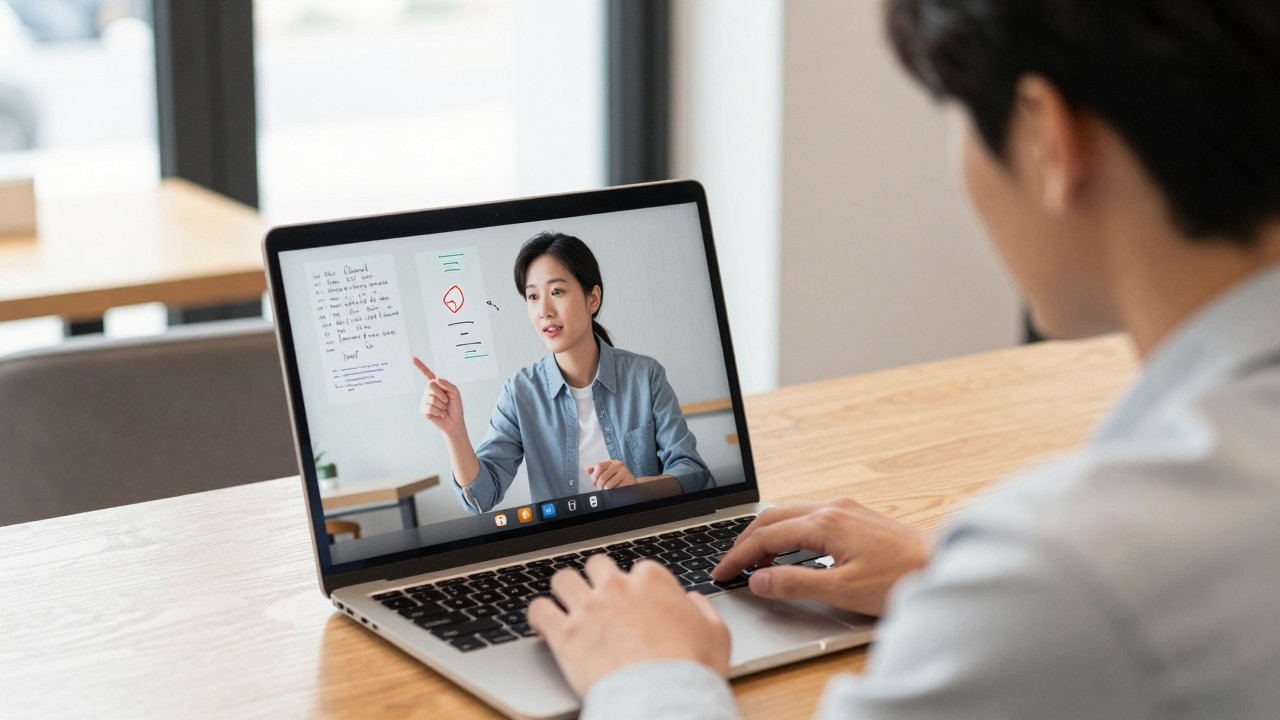
Google unveiled the new video feature for NotebookLM this week. The core idea is straightforward: you point NotebookLM at your sources, and it can now produce 60-second video clips that summarize your material with AI-generated images and narrated voiceover. The videos have a TikTok-style vertical format, which tells you exactly who Google is trying to appeal to with this.
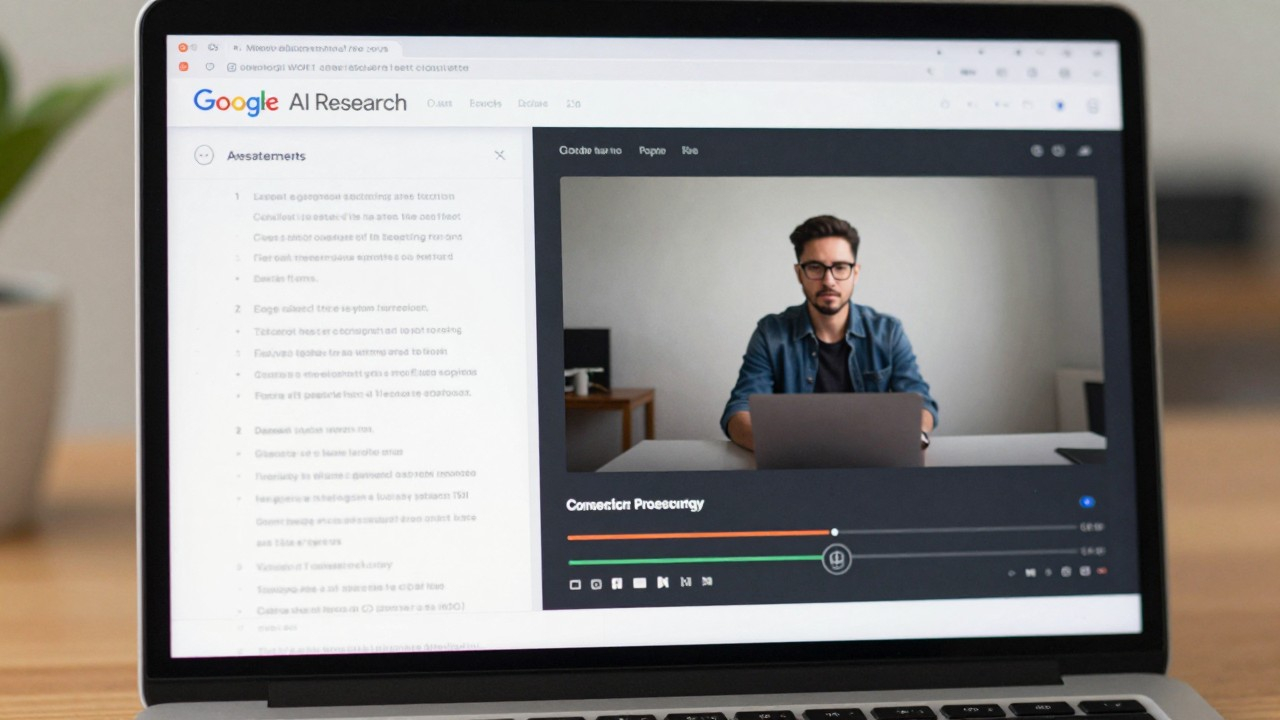
The execution is where it gets worth discussing. NotebookLM has been one of the more genuinely useful AI research tools in the past year or so, particularly for people who work with large document sets and need quick synthesis. Adding a video export layer on top of that workflow is not as gimmicky as it sounds when you consider how many people consume information through video now. Researchers sending summaries to colleagues, students preparing presentations, content creators building on existing work, all of these are scenarios where a generated video summary could actually save time.
The 60-second constraint is deliberate. NotebookLM isn’t trying to replace detailed reports or long-form analysis. It’s producing what amounts to a visual abstract, the kind of thing you’d skim before deciding whether to dig into the full source material. Whether that’s useful depends entirely on your workflow. If you’re the kind of person who skims abstracts before reading papers, this is a natural extension. If you want depth, you’ll still go to the original sources.
Google’s positioning of the feature is revealing. The company framed it as particularly suited for learning and marketing use cases. Learning makes sense: visual and audio information sticks differently than text for many people, and having a narrated video summary alongside your notes could serve different learning styles within a team. The marketing angle is more questionable. “AI-generated video summaries of research” is a hard sell as a marketing asset unless your audience is already comfortable with AI tools and sees value in the synthesis rather than the original content.
What I’m curious about, and what I haven’t seen enough coverage of yet, is how NotebookLM handles the source attribution problem. Research synthesis tools that generate confident-sounding output have a tendency to make it unclear what came from which source. If you’re producing a video that’s 60 seconds of narrated AI synthesis, and you share that with someone who hasn’t read the underlying sources, how clear is it about what’s opinion, what’s direct finding, and what’s AI inference? That’s the question that will determine whether this feature ends up being genuinely useful for knowledge work or just another way to produce compelling-looking content that obscures its own limitations.
The feature is rolling out now to NotebookLM users. Whether it’s worth your time depends on how you currently use the tool and whether the video export fits into whatever your output workflow looks like. I’d start with a small test: pick a research project you finished recently, run it through NotebookLM’s video feature, and ask yourself whether the output saved you time or just created more content to manage.