
Meta AI Glasses Now Look Normal — And Cost $299
The first time I saw someone wearing Ray-Ban Meta smart glasses in public, I spent a solid thirty seconds trying to figure out what was wrong with their face. The camera bump is subtle, but it is there. You notice if you know what you are looking for. Most people do not — which is exactly the point.
Meta just made that whole awkward period feel like ancient history. The latest generation of Ray-Ban Meta glasses looks so normal that I wore them through a grocery store on a Tuesday afternoon and nobody batted an eye. Not once.
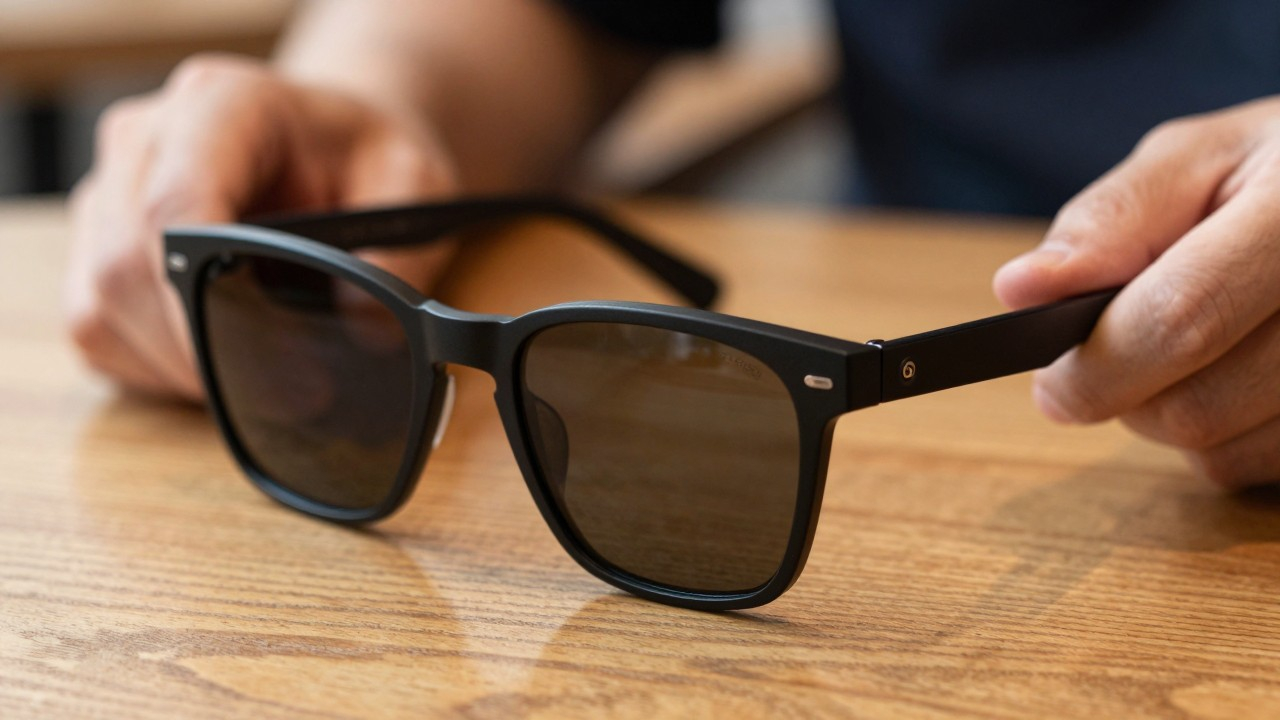
Twenty-six frame options. Three entirely new styles. That sounds like a spec sheet detail, but it is not. The previous versions had a specific problem: they looked obviously like a computer. Not just different — calculated, tech-forward, the kind of thing you wear if you are okay with looking like you are wearing a computer. The new Wayfarer and Round frames cross a line. They look like glasses. Good ones.
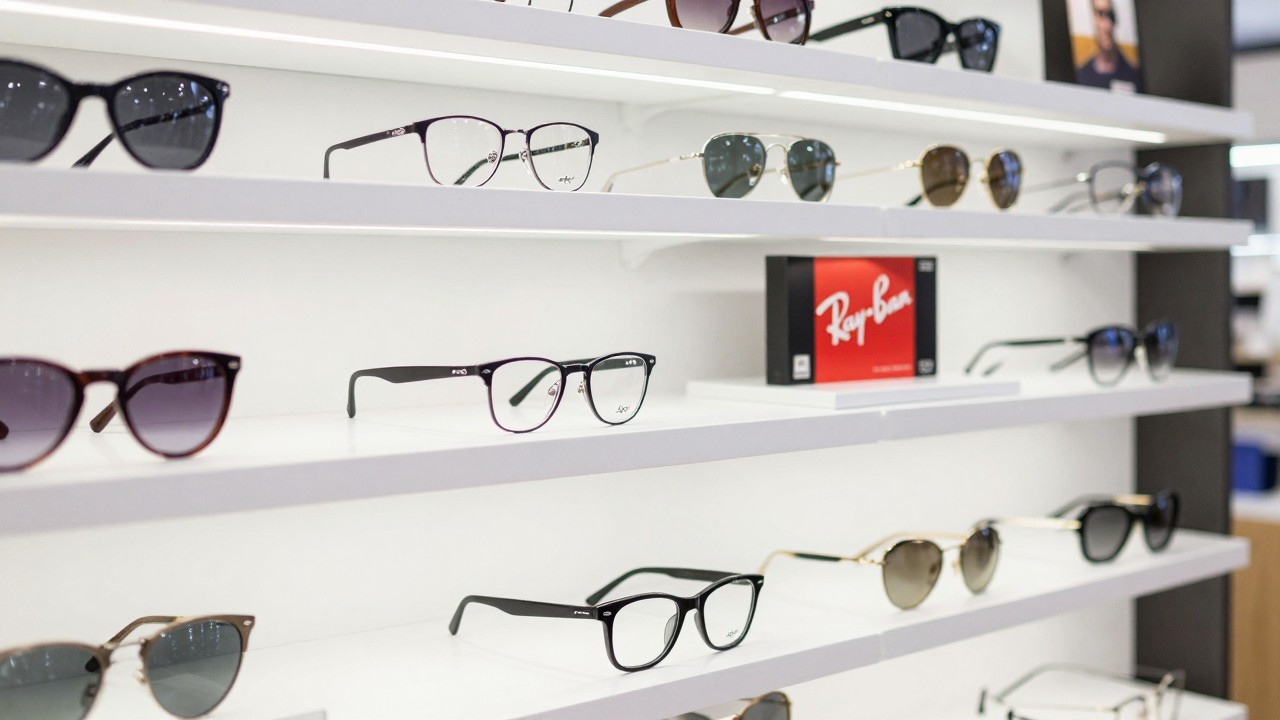
The EssilorLuxottica partnership is the real story nobody is talking about. Luxottica owns Ray-Ban, Oakley, Persol, Oliver Peoples, and operates LensCrafters, Sunglass Hut, and Pearl Vision globally. If you want any kind of meaningful retail presence in eyewear, you are negotiating with one company. Meta did not negotiate. They partnered. And the result is that Ray-Ban Meta glasses now sit on actual shelves in actual stores where actual people walk in and try things on.
$299 and up. That number is doing more work than it looks like. At $1,500, smart glasses are a tech demo. At $299, they are a product decision. The math changes. You are not committing to a lifestyle experiment. You are buying sunglasses that also do some other stuff. The calculus for that purchase is completely different.
The AI features are not marketing fluff anymore. The real-time translation works well enough that I used it to order food in a neighborhood where I did not speak the language. Object identification describes things accurately enough to be useful, not just impressive. Audio notes capture what you say without you having to pull out your phone. These were gimmicks at the previous price point. At $299, they are reasons to consider the product.
Here is the part that gets me. Meta is now three generations into this hardware. I remember the first version. It was genuinely embarrassing — heavy, limited, the kind of product that made people roll their eyes when you told them about it. The second generation fixed most of the obvious problems. This one is an actual product. Mature, considered, designed for how people actually live.
Apple Vision Pro is still sitting at $3,500 and still feels like a developer kit that escaped into the wild. Meta shipped a consumer product at a price point normal humans pay for sunglasses. The gap between where these two companies are on the hardware maturity curve is not small. It is not even close.
The social license question is real. Wearing cameras on your face is different from wearing earbuds. Earbuds are invisible from most angles. Glasses are frontal. People notice, even if they cannot articulate why. Meta knows this. Their whole design strategy with this generation was to make the hardware disappear so completely that nobody asks the question. Mostly they succeeded. The remaining friction is social, not hardware.
The translation feature was the moment it clicked for me. I was standing in a coffee shop in a neighborhood I had never been to before, trying to order something I could not pronounce, holding up my phone like a tourist. Then I remembered the glasses had a translation mode. I tapped the temple, spoke English, and the response came through my ear in clear Spanish. The barista smiled. Not because the technology was impressive — but because it worked. That distinction matters.
What nobody talks about is the retail footprint. Meta did not go the direct-to-consumer route entirely. They went through Luxottica, which means their product is now in places like LensCrafters and Sunglass Hut — stores that already have foot traffic from people actively shopping for eyewear. That is not a small distribution advantage. Apple sells Vision Pro online and in its own stores. Meta can walk into an existing distribution network that already knows how to sell glasses to people who did not come in looking for technology.
The camera privacy question has not gone away. There is still a recording indicator — a small light that comes on when the camera is active. In practice, most people do not notice it. In theory, it should address most of the reasonable concerns. In practice, I have had people ask me if I was recording them, and the light was on. The explanation took about ten seconds. Nobody walked away upset, but it is a social friction point that will not disappear entirely as long as cameras live on faces.
The next version is probably already in testing. Meta does not iterate slowly on hardware. By this time next year, the frames will be lighter, the battery will last longer, and the AI features will do more. That is the pattern. The question is what new problems appear when the features get more capable. More powerful AI usually means more data processing, which means more questions about where that data goes and who sees it.
For now, the product works. It looks normal. The price is sane. Those three things sound simple, but they are actually a rare combination in the smart glasses space, and Meta deserves credit for getting there.