
Perplexity Brain Wants to Give AI a Persistent Memory. I Have Questions.
Perplexity Brain Wants to Give AI a Persistent Memory. I Have Questions.
The moment I realized my AI assistant had forgotten our entire conversation was a Tuesday. I had spent forty minutes explaining the architecture of a system to it — the specific decisions we made, why we ruled out certain approaches, what constraints mattered — and then I closed the tab and came back two hours later. It greeted me as we had never met. Asked me to explain what I was working on. I did not have the energy to re-explain. I just sighed and pasted in my last message.
That is the memory problem. Not a minor inconvenience. A fundamental friction that makes AI assistants less useful than they should be, and that researchers and engineers have been trying to solve for years.
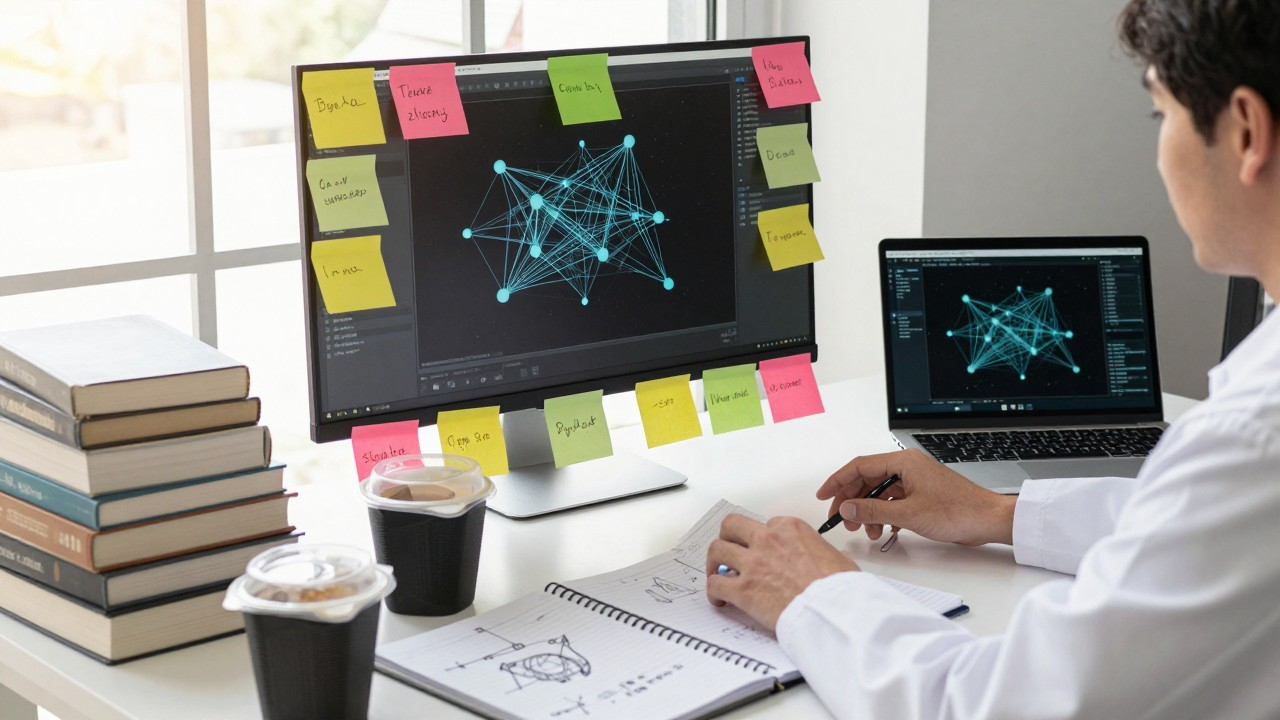
Perplexity is now trying it at the infrastructure level. Something called Brain — described as a shared memory system for Perplexity Computer, not a standalone feature but a layer underneath the product. The description in the early coverage breaks it into three pieces. Topics, which organize research into buckets you can return to days or weeks later without rebuilding context. Context preservation, which tracks what you have explored, what conclusions you reached, and what gaps remain. And a 3D knowledge map — the part that actually caught my attention.
The 3D knowledge map is the piece that sounds like a gimmick until you have spent time with it. Instead of a flat list of search results or bookmarks, you navigate a spatial representation of your research. Topics cluster by relevance as you go deeper. Connections between concepts become visible. I have used a lot of research tools. Most of them are organized around the assumption that information has a natural hierarchy — folders, tags, categories. Research does not work that way. Ideas connect sideways, jump across domains, get abandoned and returned to. A spatial interface that reflects that is compelling not because it looks interesting in a demo, but because it matches how research actually moves.
The team memory piece is where this gets practical. The pitch is that shared memory means new people on a project inherit the accumulated context of everyone who came before them. This should be obvious. It is not how most teams actually work. The amount of redundant research that happens because nobody documented what the last person found is staggering. Go ask any senior researcher how many times they have restarted research that someone else on their team already did. The answer is always higher than they want to admit.
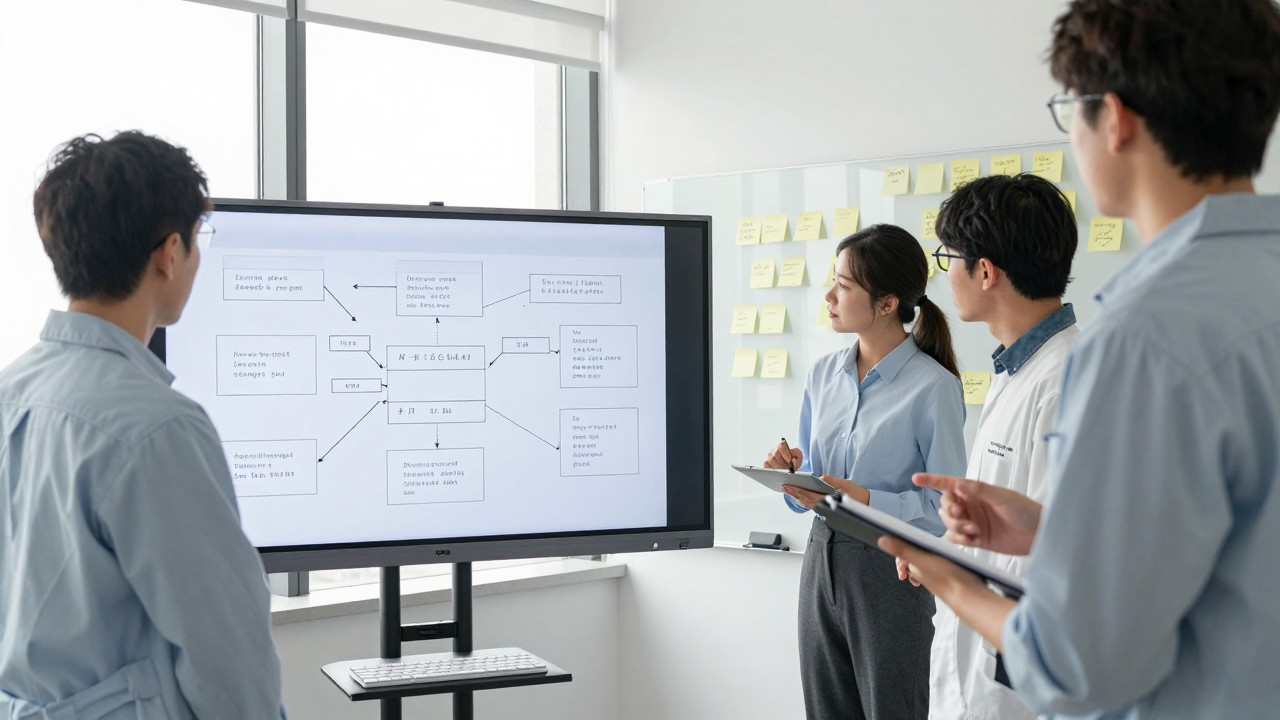
There is a broader context worth considering here. The memory problem is not unique to Perplexity. Every AI assistant has the same architecture limitation — stateless by design, treating every session as the first session. What Perplexity is attempting is to change that default. Whether they succeed or not, the fact that they are trying it at the infrastructure level matters for the broader trajectory of AI products. If memory becomes a standard feature rather than a manual workaround, the experience of using AI changes in ways that go beyond convenience. Agents that remember your preferences, your projects, your reasoning processes — these become something closer to colleagues than tools. That is a different kind of product relationship. Not yet, and maybe not with Perplexity specifically. But eventually.
I spent some time thinking about what a research library actually looks like at scale. A map that was clean and navigable with twenty topics becomes something else entirely with two hundred. Spatial interfaces degrade as information volume grows in ways that tree-based systems do not. Whether Brain stays useful at scale or becomes a 3D mess is the question that matters for anyone planning to depend on it.
The memory problem in AI assistants is not theoretical. Every team I have talked to that is running AI in production has a story about context loss costing them time or introducing errors that took hours to debug. The customer service bot that asks for information you already provided. The coding assistant that makes the same mistake three times because it forgot the first two. The research agent that confidently starts from scratch because it has no idea what you were working on last week. These are not edge cases. They are the primary failure mode for AI agents in production today.
Brain is a serious attempt at solving it. Not the first. Not necessarily the last. But serious in its approach — trying to solve memory at the system level rather than as a layer you have to manage manually. The question is whether it becomes its own organizational problem once your research library gets large. Spatial interfaces are compelling in demos and painful at scale. The theory is that the 3D map stays navigable because connections between topics get stronger as you return to them. In practice, I want to see what happens when someone has been using this for six months on an active project with fifty researchers.
That is the test. Not the demo. Not the launch day review. The six-month check-in.
Until then, I am interested. Cautiously. The problem is real. The approach is different from what I have seen before. Whether it works at scale is the only question that matters for anyone thinking about building their workflow around it.