Godot Just Drew a Line in the Sand on AI-Generated Code
There is a running joke in the Godot game engine community. Every few weeks, someone posts in the forums: how many pull requests are sitting unmerged right now? The answer, according to the project’s maintainers, has become a meme. The backlog is not a temporary thing. It is a symptom of a problem that AI programming tools have made dramatically worse, and Godot has now decided to do something about it.
The open source game engine, used by hundreds of thousands of independent developers, announced this week that it is overhauling its contribution policy in ways that effectively ban large-scale AI-generated code from its repository. This is not a subtle policy tweak. Godot is being direct about why.
“AI cannot take responsibility for code,” the project wrote in its announcement. “We cannot trust developers who heavily rely on AI to truly understand the code they submit, and to fix it when needed.”
That is a remarkable statement from a major open source project. And it comes at a moment when the industry is still figuring out how to feel about AI-assisted development.
The PR Backlog Crisis Breaking Open Source Maintainers
For most open source maintainers, reviewing pull requests is the job they dread most. A good review means reading through logic, checking for architectural conflicts, testing edge cases, and writing feedback that actually helps the contributor improve. It takes time. Maintainers are mostly volunteers.
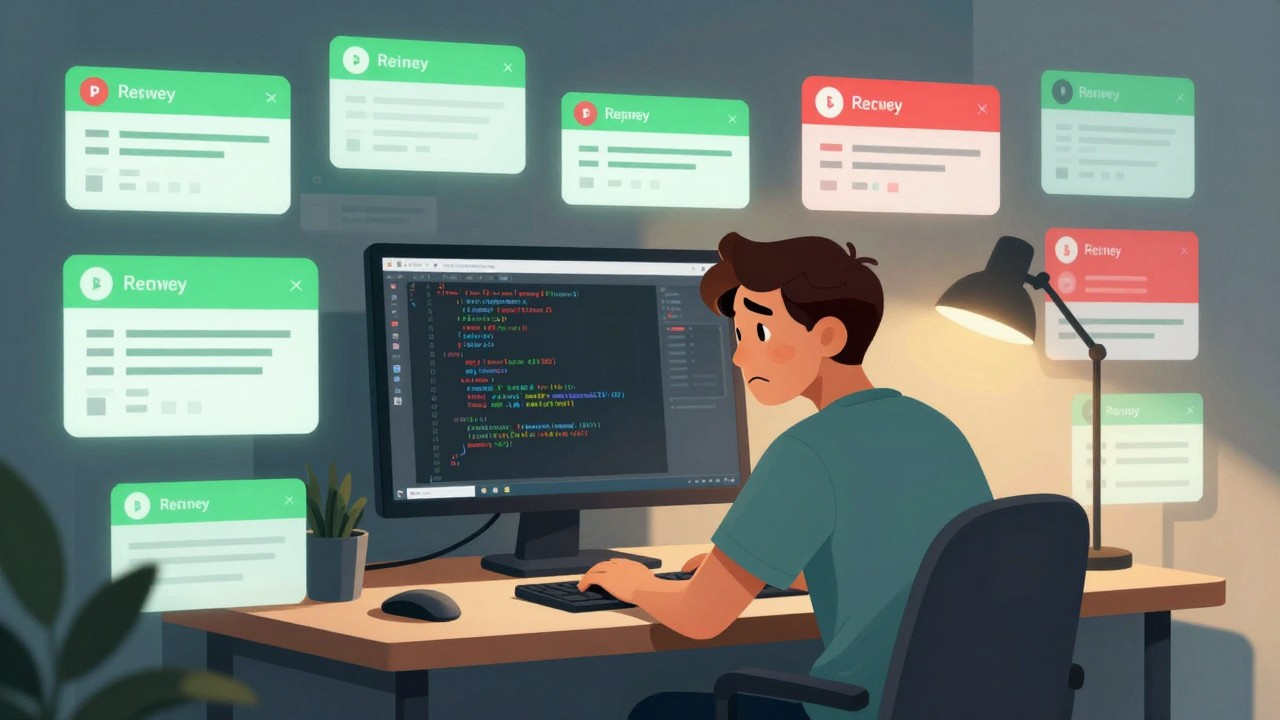
Godot’s maintainers say this problem crossed a threshold roughly a year ago. AI tools, whether autonomous agents generating and submitting code or developers using ChatGPT, Claude, and Copilot to produce a pull request in minutes, collapsed the cost of submission. What once took a developer days or weeks now takes an AI-assisted session less than an hour. The result: the PR queue grew faster than the reviewer pool.
The Volume Problem That Became a Community Meme
The project is clear about what it is not claiming. It is not saying AI tools are inherently bad. It is saying the economics broke.
“Our maintainers are volunteers,” the announcement reads. “AI has not reduced their workload. It has increased it, by requiring them to filter out low-quality, incompletely-understood code at a scale they never faced before.”
When Review Comments Get Fed Back Into an AI Chatbot
The part that actually broke the camel’s back, according to Godot, was not the volume. It was the quality of the conversations. Maintainers write detailed review comments to help contributors learn and grow. Many of those contributors, Godot found, were feeding the comments directly into an AI chatbot to generate the next revision. The review was not building a relationship or developing a future maintainer. It was training a language model on the project’s specific architecture, for free, with no transfer of knowledge to a human being.
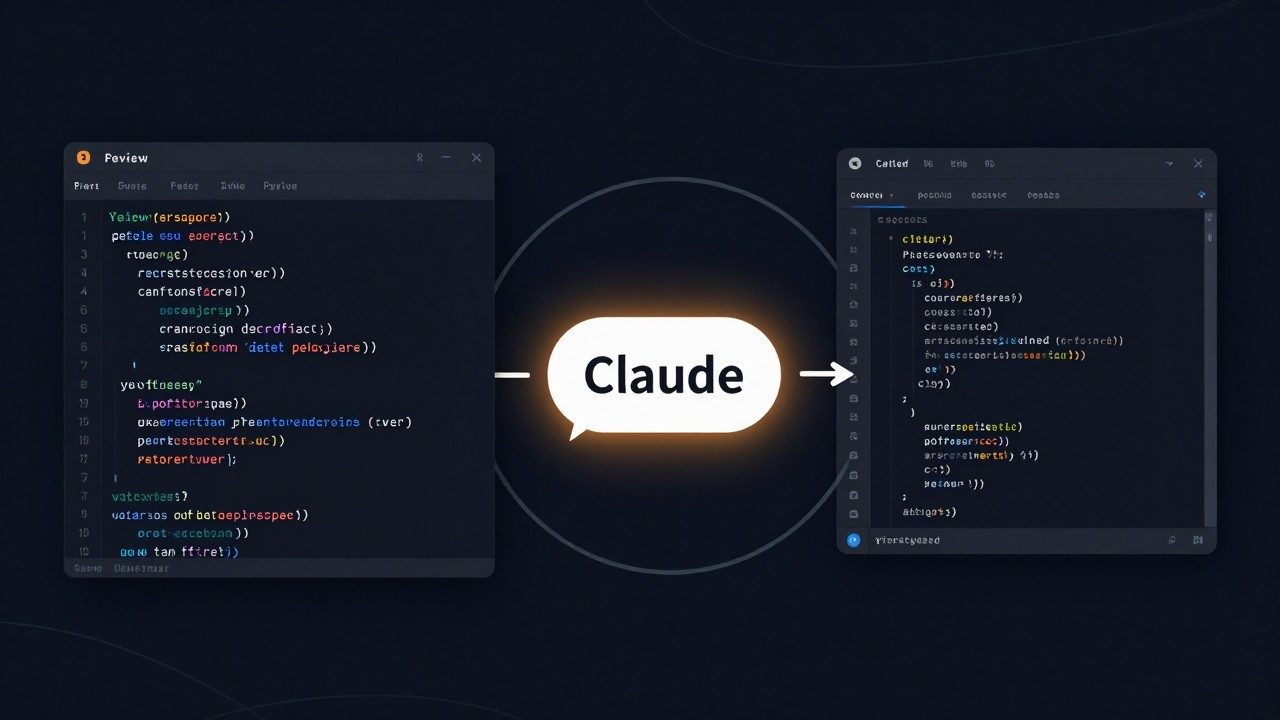
One game studio using Godot described the experience bluntly. Most AI-generated pull requests, they said, were garbage. The submitter could not explain what the code did. Reviewing those PRs was, in their words, “a complete disaster.”
Godot’s Five New Rules for Contributors
Godot’s revised contribution policy is blunt about what it will and will not allow.
First, AI agents that autonomously generate and submit code continue to trigger automatic bans on the repository. This was technically already in place. The new policy makes it explicit.
Second, and more significantly: AI cannot be used to write large sections of code. The project draws a line between acceptable AI assistance, which includes autocomplete, regular expression generation, and search-and-replace tasks, and unacceptable use, which is using AI to build a feature and submit it as a pull request. Developers who do use AI in the writing process are required to disclose it in the PR discussion.
Third, AI cannot be used to generate communication with maintainers. If a maintainer is reviewing your work in their spare time, Godot expects that communication to come from a person.
Fourth, contributors with three or fewer merged pull requests are now classified as new contributors and must obtain explicit approval from a maintainer before submitting major features or large-scale refactors. The intent is to ensure new contributors build familiarity with the codebase gradually rather than arriving with a fully AI-generated feature and no context.
Fifth, all pull requests require human review and approval before merging. This was already true in practice, but the updated policy states it explicitly.
What AI Tools Are Still Permitted
Godot is not banning AI outright. Autocomplete, regular expressions, and search-and-replace tasks remain acceptable. The line is drawn at using AI to generate substantial code that then gets submitted as a contribution. The announcement adds that the project will “continue to take a relatively conservative attitude” toward AI policy and will reassess as the technology evolves. The underlying principle is clear: code authorship implies human understanding, and human understanding implies accountability. AI, at least in its current form, provides neither.
Why This Is an Open Source Governance Story First
What makes this interesting is not the technical part. The rules Godot is setting are straightforward and, in the context of open source maintenance, logical. What makes it interesting is that a project with a large, global user base is drawing a philosophical line and being public about why.
Open source communities have always had to manage the tension between openness and quality. Accepting all contributions is unsustainable. Requiring a formal contribution process excludes people who cannot meet that burden. Godot has decided that AI-generated contributions, at least at the volume and quality level it is currently seeing, fall on the wrong side of that balance.
Whether other open source projects follow is an open question. The Linux kernel has taken a less restrictive position. Rust’s crate ecosystem is heavily AI-assisted. Each community is working this out for itself. But Godot is one of the first high-profile projects to publish a comprehensive policy with explicit philosophical grounding, and the response from other maintainers online has been largely sympathetic.
The announcement came with a direct quote from core maintainer Remi Verschelde, who had been complaining about AI PR volume since earlier this year. The difference between then and now is that the project has moved from venting to acting. The result is one of the clearer statements yet about what open source maintainers actually want from contributors in the age of AI: not just code, but the person attached to it.
Source: https://godotengine.org/article/contribution-policy-2026/