Claude Code’s Artifacts Update Changes How Teams Work With AI
There is a moment every engineer knows too well. It is 9:47 in the morning. Standup starts in thirteen minutes. Something broke overnight and your phone has been buzzing with alerts since 6 AM. You have been digging through logs, tracing commits, trying to figure out what went wrong. Now your teammates are waiting for you to explain what you found. But the investigation is still live. And now you have to narrate your incomplete thinking to a room of people who just want to know if they should panic.
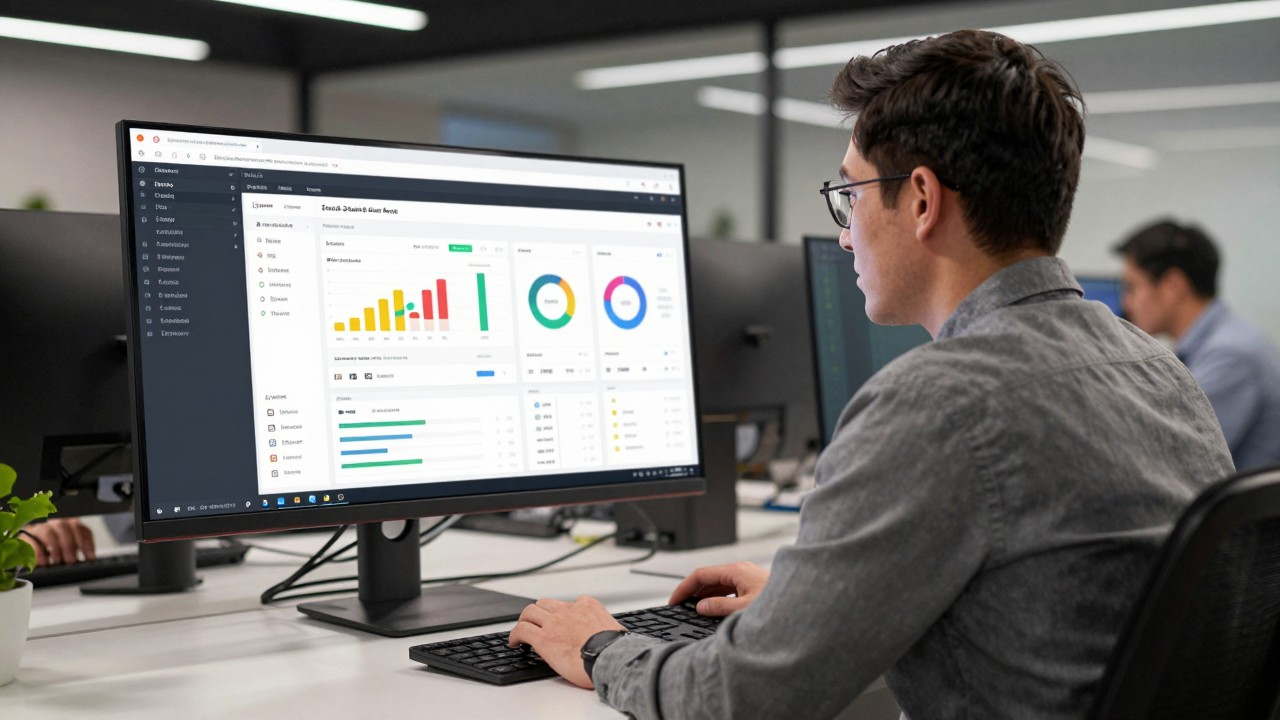
Anthropic announced something on July 6 that directly addresses this specific flavor of chaos. Artifacts is now built into Claude Code. With a single click, anything produced during a session (a timeline, a chart, a system explainer, a release checklist, a dashboard) publishes as a live, shareable web page. You keep working. Claude keeps updating the page. Your team opens the link and watches the investigation unfold in real time, without anyone having to repeat the same explanation five times in Slack.
The feature is deeply integrated into the way Claude Code thinks about context. When you run a session, Claude already knows your codebase, your connectors, everything you have discussed. Artifacts draws on that full context to produce outputs that are actually relevant to your situation, rather than generic template content. No infrastructure setup. No dashboard configuration. You just work, and the page appears.
The Debugging Scenario That Changes Standups Forever
The debugging scenario Anthropic described goes like this. An engineer kicks off an incident investigation before standup. Claude Code works through the logs and publishes an artifact: a timeline, the suspect commits, an error-rate chart. She shares the link with her team from the page header. By the time standup begins, Claude has republished it twice as the investigation progressed. Team members do not have to sit through someone walking them through what the agent found. They are all looking at the same view. The conversation starts from a shared foundation rather than a narration of incomplete thinking.
Context Is the Feature
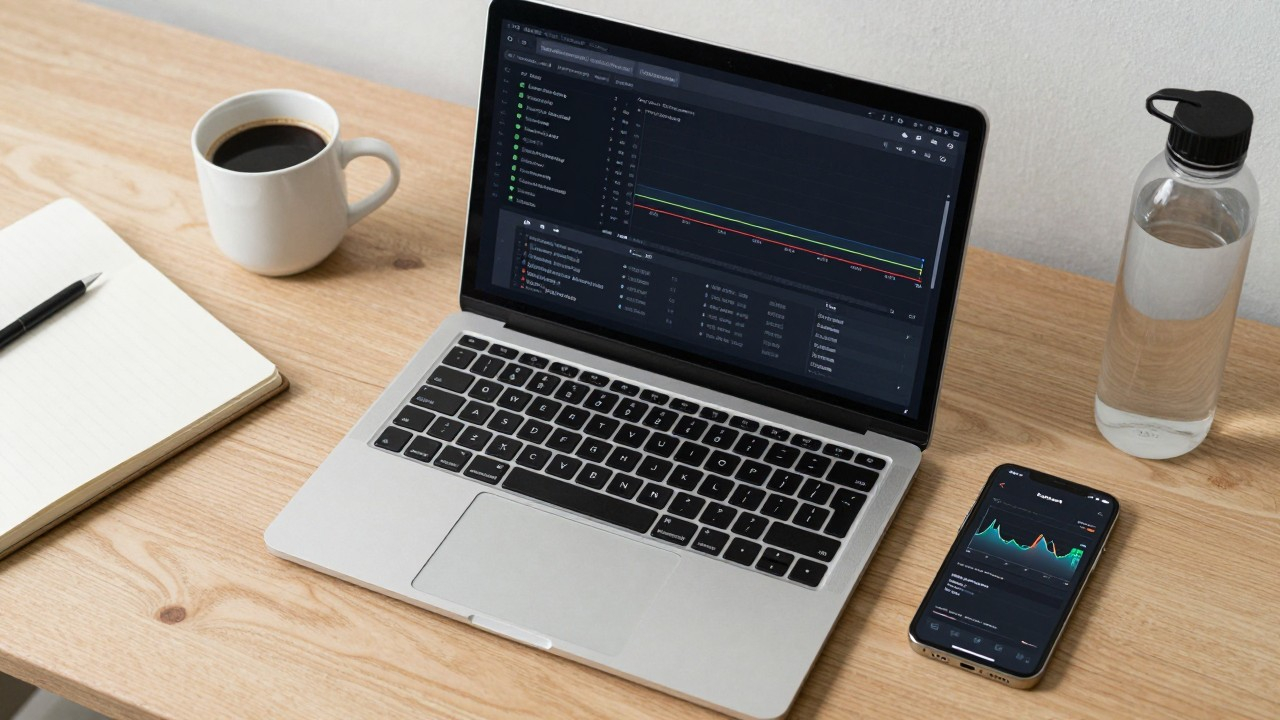
What separates this from a shared Google Doc or a pinned Slack message is that the artifact is not a static document. It updates as the investigation continues. If the engineer runs a new query at 10 AM and it changes the error-rate chart, the link everyone has open updates automatically. No one has to ask for a status update. The page is the status update.
The practical effect, according to Anthropic, is less context-switching and fewer status meetings that could have been emails. Teams that have tried the feature in beta reported that their standups shortened significantly once everyone was looking at the same live artifact instead of listening to someone describe their in-progress thinking.
Beyond Debugging: Analysis, Documentation, Dashboards
The analysis, the documentation, the dashboard: these are team assets that used to require someone to build and maintain separately. Artifacts in Claude Code shifts the equation. The context Claude already has about your project means it produces outputs that fit your situation rather than generic templates. You do not configure a dashboard. You run a session and the dashboard appears, connected to your actual data.
What This Means for Junior Developers
The scenario Anthropic returns to most often is the onboarding case. A new team member joining mid-incident can open the artifact link and immediately see the timeline, the contributing factors, the remediation steps in progress. They are not starting from a blank context. They are starting from the same view the team has been building together in real time. That changes what onboarding looks like during a crisis, which is usually when you learn the most about a system.
Why This Moment Is Different From Previous Collaboration Tools
There is a long history of developer tools that promised to fix how teams share incomplete work. Most of them failed because they required setup, maintenance, or a change in workflow that teams never sustained. The bet Anthropic is making with Artifacts is that the integration with Claude Code removes enough friction that teams will actually use it, because the page appears without anyone having to remember to create it or update it.
The direction is worth paying attention to. The feature shipped on July 6 and is already being used in ways the original design did not anticipate. When a tool becomes genuinely useful in the first 48 hours of a beta, it tends to mean the underlying bet was correct. I will be watching the beta rollout closely over the next few weeks to see what teams do with it.
Source: https://www.anthropic.com/news/claude-code-artifacts