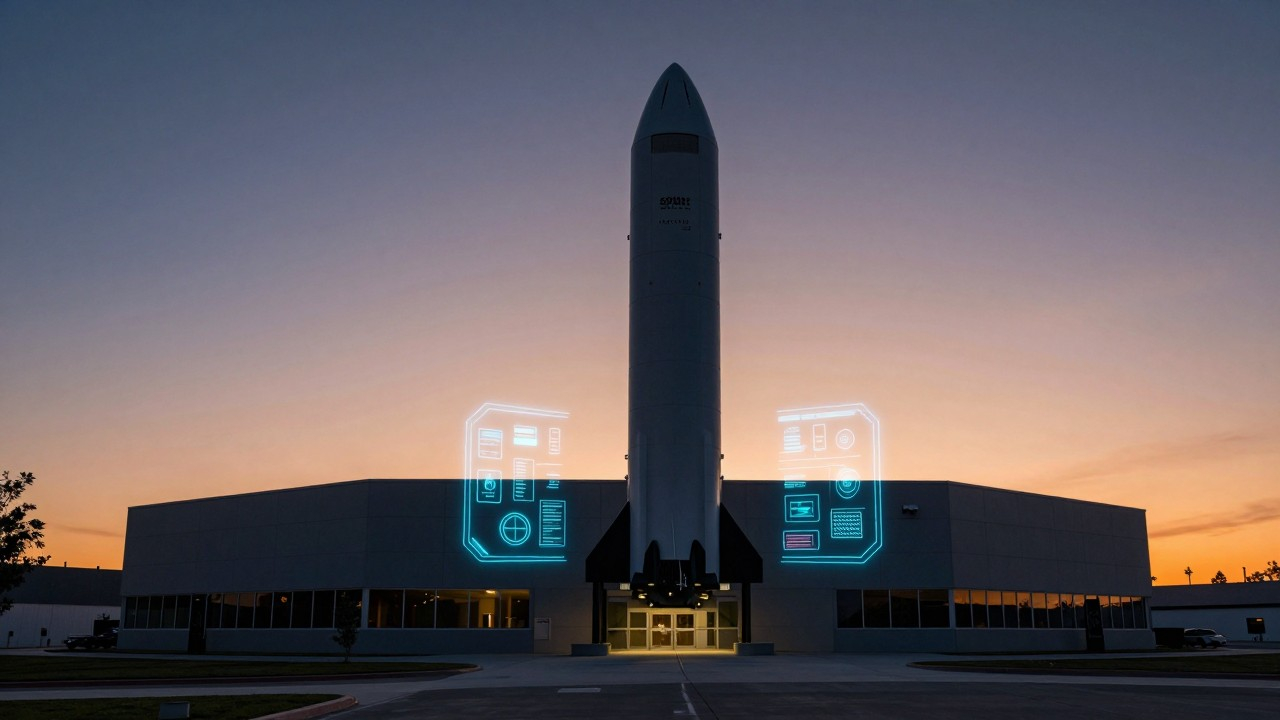
SpaceX Has an AI Device Prototype. Elon Musk Says It Is Nothing.
The Wall Street Journal reported last week that SpaceX showed investors a prototype of a handset-like AI device, sleeker and slimmer than an iPhone, somewhere between a compact touchscreen phone and a Rabbit R1. The reaction from Musk was immediate and blunt: “utterly false.” So the story goes away, right? Not quite. The gap between what SpaceX showed investors and what Musk is now denying tells you something interesting about how AI hardware decisions actually get made inside a company like this.
Start with what the Journal reported. The device runs on a proprietary operating system, integrates technology from xAI, and is designed to avoid being trapped inside another company’s platform like Google’s Android. That part tracks with Musk’s broader pattern of late: acquiring AI capabilities directly rather than licensing them from third parties. SpaceX acquired xAI earlier this year. If you are building an AI device and you own an AI company, the logic of vertical integration is not complicated.
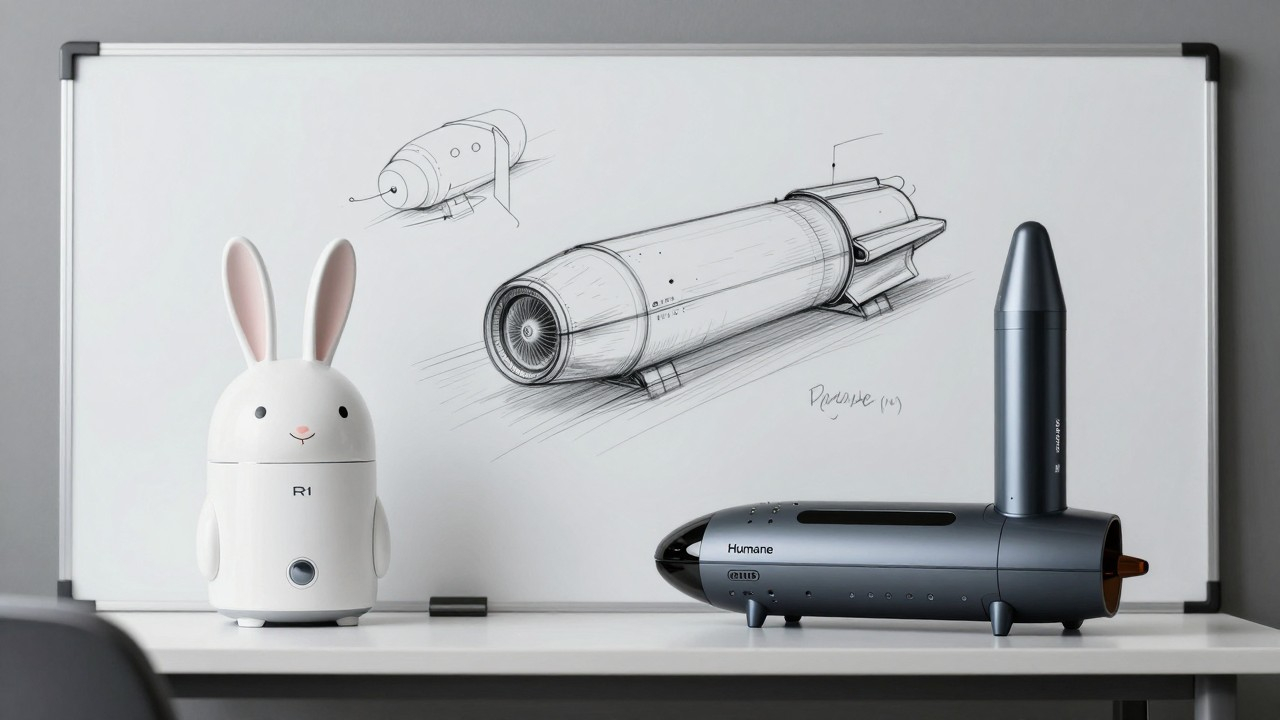
The manufacturing capability is the part that makes SpaceX a credible hardware player in a way that most AI companies are not. SpaceX and Tesla together have the engineering teams, supply chain relationships, and production infrastructure to actually mass-produce consumer electronics at scale. That is nothing. The Rabbit R1 and the Humane Pin both failed partly because the companies behind them did not have manufacturing depth. They could design a product but could not necessarily get ten thousand units out the door at a price point that made sense. SpaceX does not have that problem.
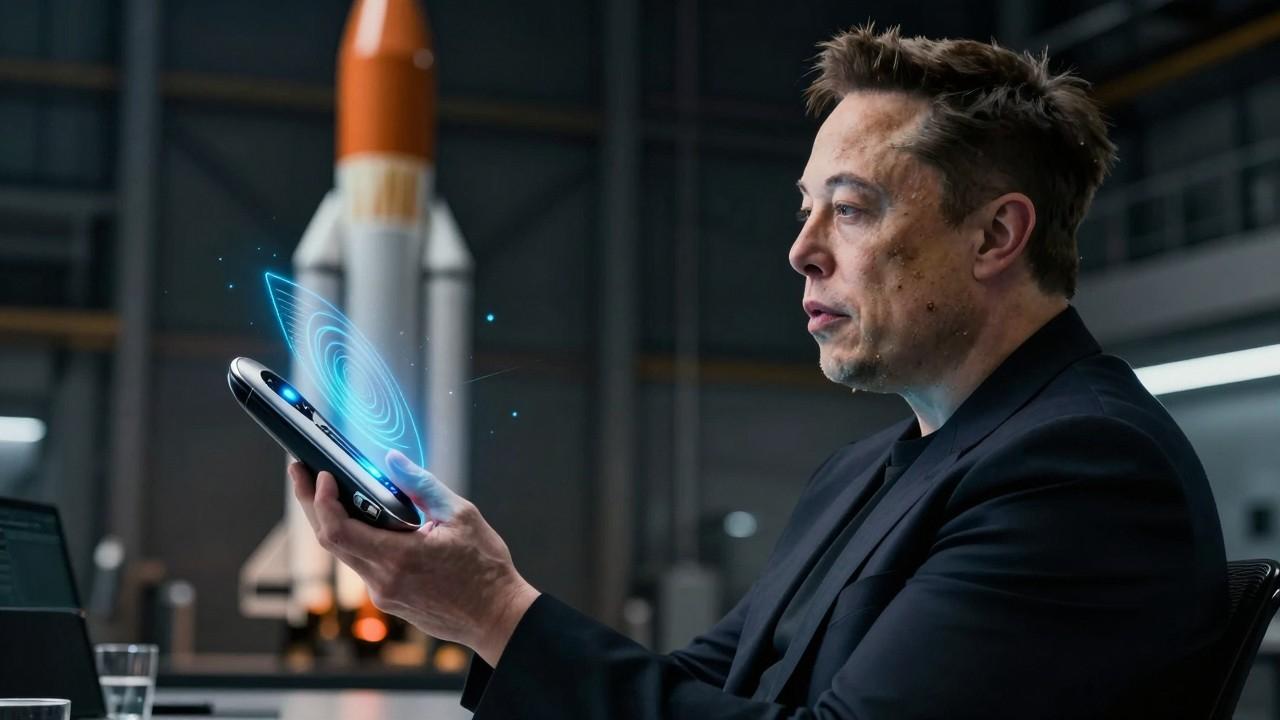
The proprietary OS angle is worth dwelling on. If SpaceX is building its own OS for this device, it is making a bet that the existing mobile platforms are not suitable for what it wants to do with AI. That is the same argument that Apple made when it built iOS, and that Google made when it built Android. The counterargument is that building a new platform means starting from zero on developer relationships, app compatibility, and user habits. The graveyard of proprietary mobile operating systems is large and mostly unmarked.
Musk’s denial is interesting because it does not quite land as a clean rebuttal. He called the report “utterly false,” but the Journal’s sourcing was specific. Either SpaceX showed investors a device that does not exist, which would be an unusual thing to do in a formal investor presentation context, or the device exists, and the characterization is wrong in some detail. “Utterly false” is a strong phrase for a story that includes multiple specific details about the device’s form factor and software architecture. The more likely explanation is that the device exists, Musk does not like the narrative that is forming around it, and the denial is aimed at managing the story rather than correcting the record.
The competitive context matters here. OpenAI is working with Jony Ive on an AI device that Sam Altman has described as more peaceful than an iPhone. Reports suggest that project is struggling to get the details right, and OpenAI recently brought on Paul Meade, Apple’s former VP in charge of the Vision Pro headset, to help. If OpenAI is having a hard time executing on AI hardware with one of the most celebrated industrial designers in the world as a partner, that is useful context for evaluating what SpaceX might be up against. The AI device category has a credibility problem. Consumers bought the Rabbit R1 and the Humane Pin in meaningful numbers and then mostly stopped using them. The promise of a new category has not yet survived contact with the market.
What the SpaceX story does suggest is that the logic of AI-native hardware is becoming difficult to ignore, even for companies that have no history in consumer electronics. When your AI company is a subsidiary of a rocket manufacturer, and that rocket manufacturer has factories and supply chains and a workforce that can build things precisely, the cost of running a hardware experiment is lower than it would be for a pure software company. If the prototype fails, you have lost some engineering time and some materials. If it succeeds, you have a new product category with the manufacturing capacity to actually ship it.
Whether Musk actually follows through on this is genuinely uncertain. He has a pattern of floating ideas and then deciding not to pursue them based on what he sees in the market response. The Starlink Mobile play against Verizon and AT&T is real, and a device that combines satellite connectivity with AI might be a more coherent product than a standalone AI phone. But the timeline and the commitment level are genuinely unclear, and the denial makes it harder to read the tea leaves.
The AI device category is not dead, but it is waiting for someone to prove that the use case actually exists at scale. Right now, the honest summary of the market is that a lot of people have tried to sell something that buyers have not wanted in sufficient numbers. SpaceX has more ways to survive that verdict than most. Whether it chooses to is a different question.