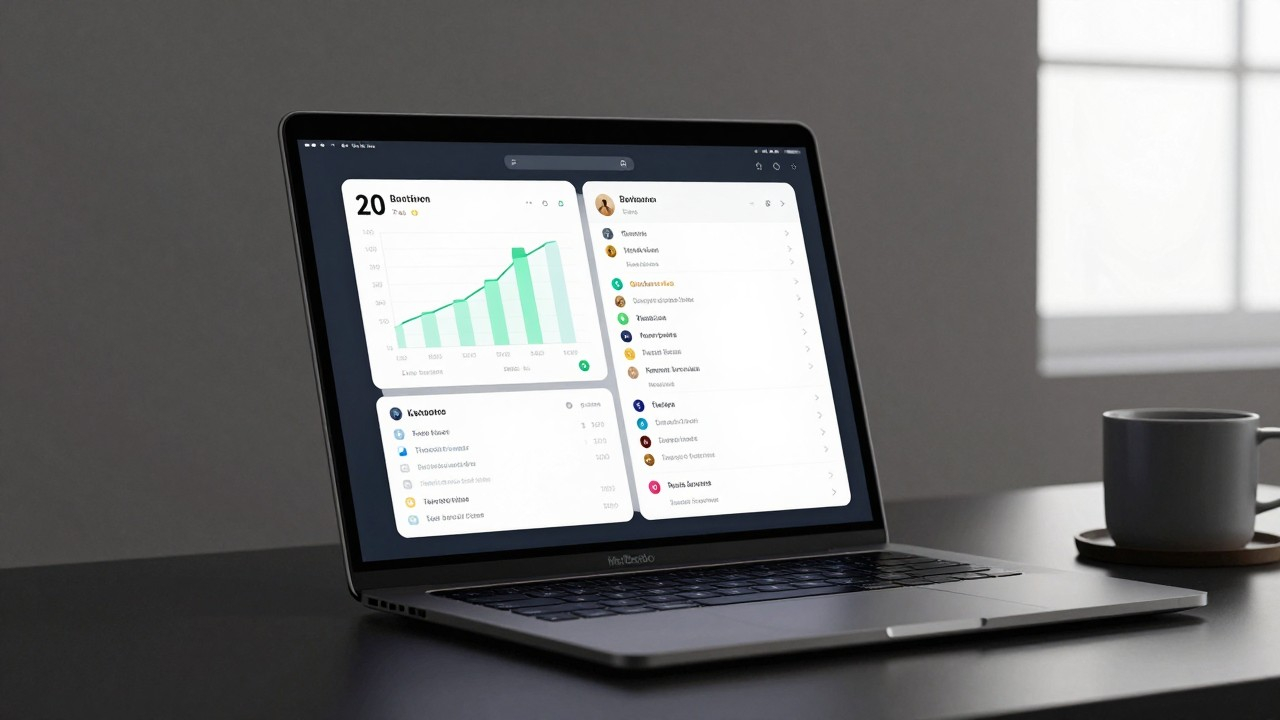
There Is a Particular Kind of Anxiety That Only $200 a Month Buys
Codex used to be an experiment. Now it is the product OpenAI is betting everything on.
That is a real shift. When Sam Altman said at the last developer day that Codex was where the company was heading, a lot of people in the audience understood what that meant. The era of treating AI coding tools as optional add-ons is ending. The era where they are load-bearing infrastructure for how software gets built has arrived. And with that shift comes a new kind of subscription anxiety that has nothing to do with whether the technology works.
Welcome to unused quota anxiety.
It manifests like this. You are on the $20 Plus plan. Every evening you open Codex and check your usage meter and feel a small twinge of guilt. You did not use enough tokens today. There was leftover capacity that you paid for and did not burn. That is money left on the table. So you open Codex at midnight and ask it to refactor some code you already finished just to move the needle. You do not need the output. You need to feel like you got your money’s worth.
It sounds irrational. Nobody would recommend this as a financial strategy. But it is real, and if you spend any time in developer communities where Codex is a daily tool, you will recognize it immediately. The subscription model creates a psychological dynamic that is different from paying per task. When you pay per use, the math is simple: if you did not use it, you did not waste anything. When you pay a flat monthly fee, every idle token feels like a personal failing.
Some developers have found a solution that is both practical and revealing. They build tools to track their usage not because they need the data, but because the data gives them permission to stop. A quota dashboard that shows you are at 87 percent utilization by 3 PM does something that no amount of reasoning about value can do. It tells you you have done enough.
One developer recently published exactly that kind of tool, called CodexU. The backstory is relatable. After upgrading from the $20 Plus plan to the $200 Pro tier, the first thing was not excitement about more capability. It was the immediate realization that the pressure to justify the subscription had just doubled. So they built a native Mac app that sits on the desktop, shows token consumption in real time, and can be summoned with a keyboard shortcut when you want to check in. It tracks not just total usage but trends, project breakdowns, and which skills or tools are consuming the most.
The first project someone reached for after upgrading tells you something about where the market is. When Apple launched the iPhone, the first wave of third-party software was utility apps – the things you needed to make the device feel complete. Dialers, calculators, weather widgets. Codex is at that same inflection point. The base product works. The question is not whether it works, it is how you make it work for you in a way that feels personal and controlled.
There is also a kanban angle worth noting. The original CodexU was a quota tracker. Within minutes of using it, the creator realized that showing only token data was not enough. The behavior that genuinely needed managing was not just how many tokens were consumed but what work was in flight. So they added a task board. What is running, what is queued, what is waiting on a response. The Parallel category of tools here is real: Multica exists because developers needed a way to see what their AI sessions were genuinely doing, not just how much they cost.
This is how ecosystems form. One person solves a problem for themselves and then puts it on GitHub because they assume other people have the same problem and because the solution, once written down, tends to attract improvements from strangers. The prs start arriving. Someone adds a feature you did not think of. Someone else fixes a performance issue in your caching logic. The project becomes a small commons.
Computer Use is the feature that changes the calculus for Pro users most directly. The ability to have Codex operate a desktop environment, interact with web pages, run terminal commands, and handle multi-step tasks that span hours instead of seconds is not a gimmick. For developers who have integrated it into their actual workflow, it has replaced a category of manual labor that used to require sitting in front of a screen. You set a task, Codex works through it, you review the output. The time arbitrage is significant.
The quota anxiety problem is, strangely, a signal of maturity. Nobody worries about whether they used their trial credits optimally. Trials are free, and free does not create obligation. The anxiety only kicks in when the subscription feels real – when the monthly charge shows up and you have to account for it. That is when you start thinking seriously about whether the tool is earning its place.
The answer for most heavy users is yes. But the answer is more satisfying when you can see it. That is why dashboards, trackers, and usage visualization tools are not peripheral to the Codex workflow. They are load-bearing. They make the abstract value of the subscription concrete enough to stop worrying about it.
Codex is not going to stop getting more expensive or more capable. The two trends run together. As the capability goes up, the price goes up, and as the price goes up, the psychological pressure to use it fully goes up with it. CodexU is a small tool, but it is built on a real tension that is not going away.



Если нужен удалённый сервер, можно воспользоваться vps xrumer, что обеспечит бесперебойную работу.
Tracing intermittent front camera codes or replacing damaged lower shutter assemblies is quick and simple when following official shop documentation. Using the Ariya front bumper repair manual and exterior service guide detailed here enabled me to inspect front radar alignment brackets after a minor parking scuff. Anyone seeking reliable post-warranty technical advice will appreciate this detailed write-up.