ZCode’s 400% Usage Spike After an 83% Price Hike Isn’t What It Looks Like
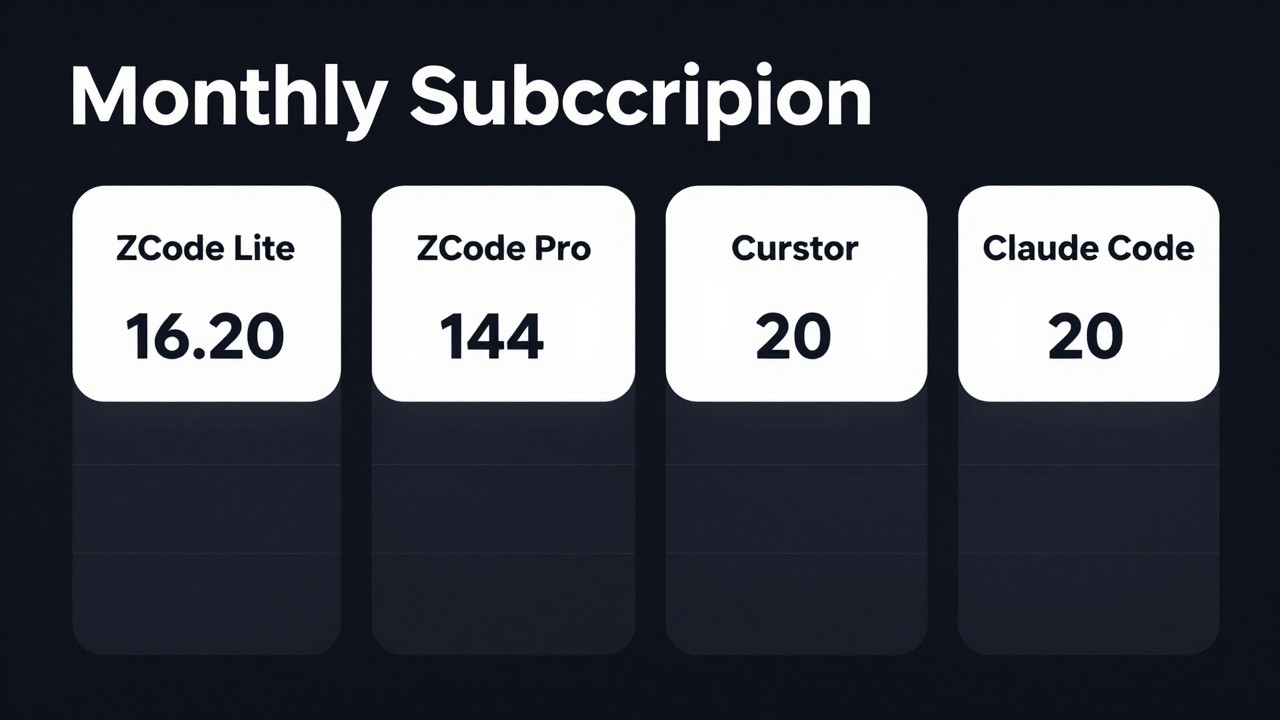
So last week a friend asked me about ZCode. A Chinese AI company — used to be called Zhipu AI, now rebranded as Z.ai — launched a coding tool in June. $16.20 a month for the lite version, $144 for the top tier, and for context, the tools it competes with — Cursor, Claude Code, GitHub Copilot — are all priced at $20 a month. ZCode wants seven times that at its peak tier. This same company raised prices twice in under six months with a cumulative increase of 83%. Normally that sends users running, but usage went up 400% instead. A price hike that drives usage up instead of down doesn’t happen in normal markets, which means something else is going on here that the simple economics don’t explain.
GLM-5.2 sits behind all of this. 744 billion parameters, MoE architecture, 1 million token context window, ranked second globally on Code Arena behind only Anthropic. Second globally is not a bad product. The price is still hard to justify for individuals, but I can see why enterprise buyers don’t flinch. A 50-person team or a 200-person company isn’t making decisions the same way a solo developer does. Switching costs, onboarding time, workflow disruption — the math changes when you’re bigger, and for organizations at that scale the cost of staying on an expensive platform is often lower than the cost of switching even to a cheaper alternative.
There’s another layer to ZCode’s strategy that I find more interesting than the pricing itself. Peak and off-peak pricing where the cost doubles during work hours and drops to half at midnight. DeepSeek uses the same model, and American companies haven’t really adopted this approach yet, which is puzzling because it makes financial sense for everyone involved — it’s price discrimination that benefits both the provider and flexible users who can shift their work to off-peak hours. The infrastructure costs are compounding too. Google burned 37% more electricity in 2025 officially because of AI data centers. South Korea committed $1 trillion to semiconductors and humanoid robots. OpenAI is negotiating equity stakes with the Trump administration at 5% versus earlier rumors of higher percentages.
On the 400% usage number — lock-in is the explanation. Enterprise customers built workflows around it, trained their teams, integrated it into pipelines. Individual developers might jump to alternatives or back to free tiers. Large organizations rarely do. The math for switching rarely works out in the short term.
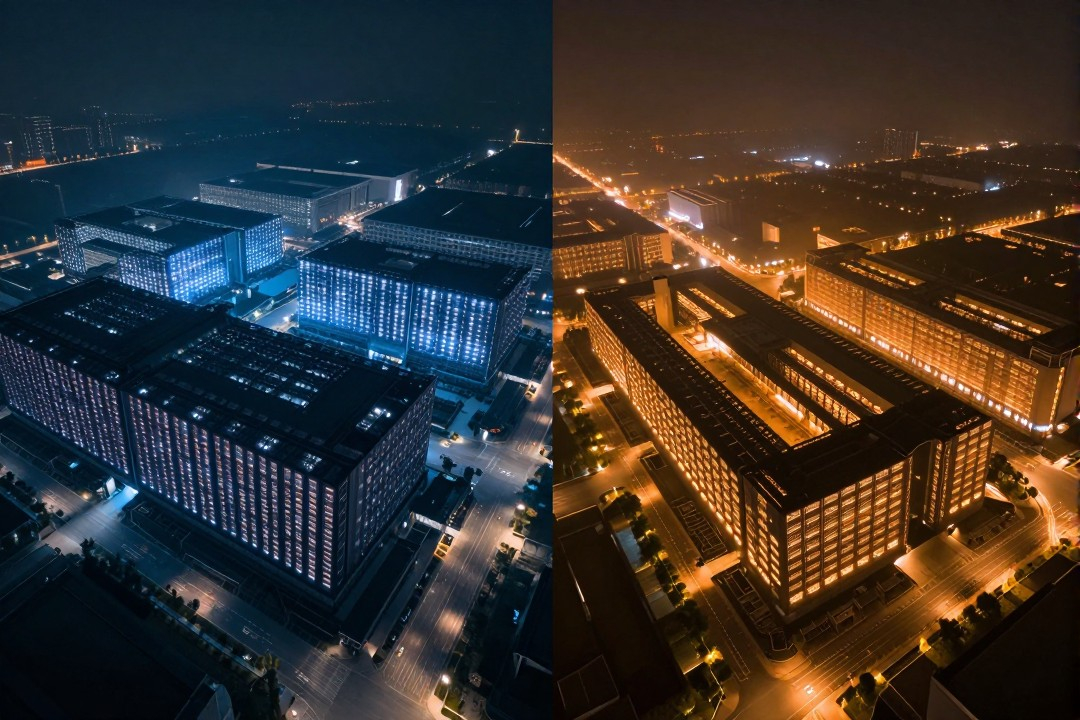
Chinese AI companies used to mean one thing globally — dirt cheap, aggressively undercut American competitors. That was the whole story for years. What’s changed is ZCode. Premium pricing at the top tier, competing with American tools at full price, built with Huawei chips and no American silicon, trained for around $25 million with 80% going to post-training. They built a competitive coding model and priced it accordingly.
AI costs might not be going down the way the standard story suggests. Someone was subsidizing these costs at some point. The subsidy looks less certain now. Either way, it matters for anyone building on top of these models.