
I Configured an AI Agent. Three Months Later, These Five Tools Are Still Running.
I Configured an AI Agent. Three Months Later, These Five Tools Are Still Running.
Here’s what didn’t work: the big setup. Twelve integrations, a custom voice mode, personality prompts loaded with context layers. I built it. I used it for two days. Then I stopped opening it because the friction was too high and the output wasn’t getting better.
The setup that stuck looks almost boring. But I use it every day.
The entry point has to be nothing
I tried Slack. I tried Discord. I tried a dedicated iOS app. Each time I had to remember to open something specific. That sounds trivial. It compounds. The agent becomes one more thing on your mental tab list instead of something that lives where you already live.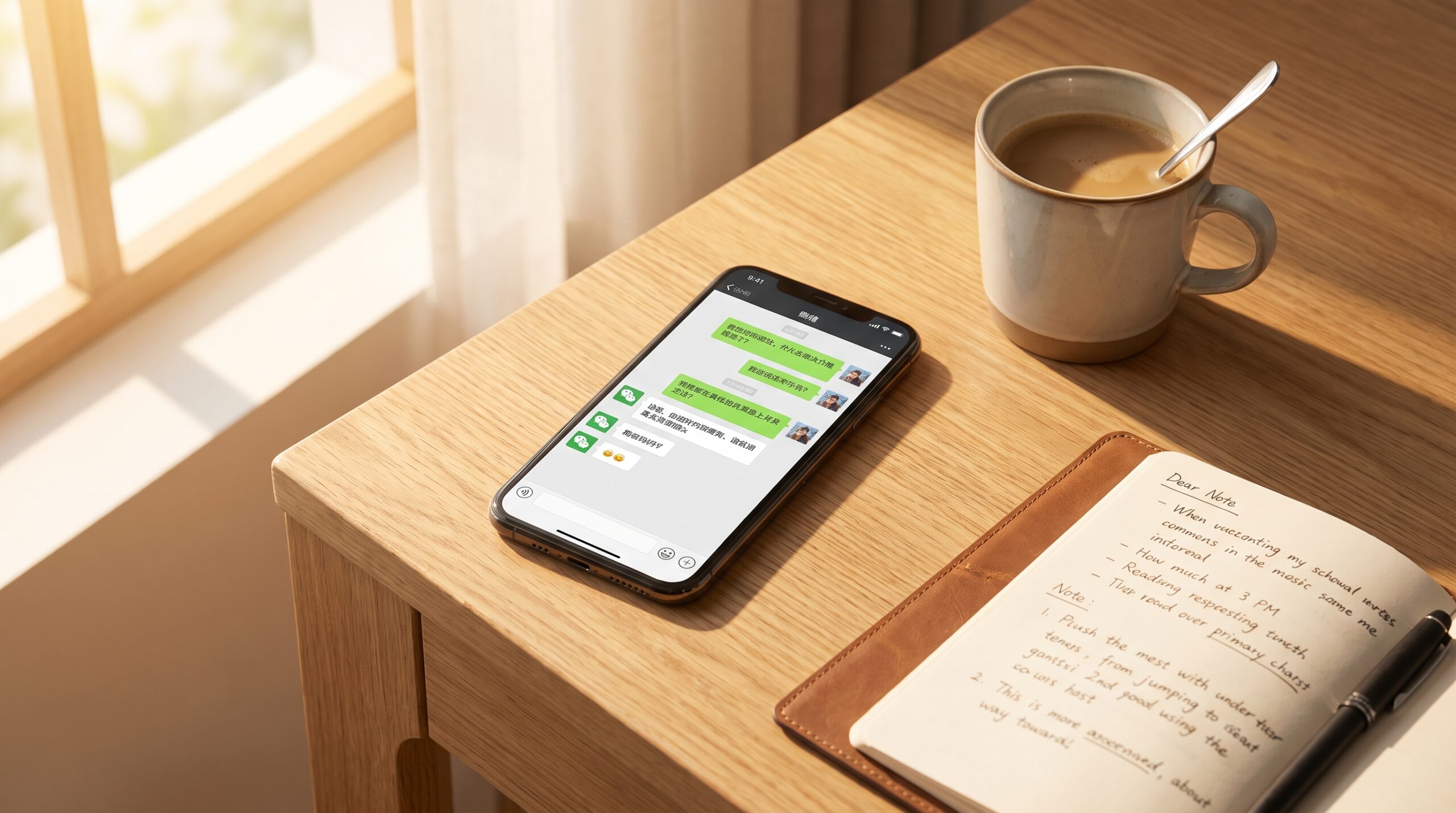
WeChat won. It’s already open. I didn’t have to build a new habit.
Three models, not one
I started sending everything through GPT-4o. Summaries, image reading, conversation compression. It worked. It also burned through quota fast and cost more than it needed to.
The fix: match the model to the task size.
China’s DeepSeek handles the real conversations — planning, reasoning, anything that needs full capability. China’s Qwen3-8B running on SiliconFlow runs web summaries and compresses long context so the main model doesn’t re-read everything. China’s Zhipu AI vision model handles screenshots.
Main model calls dropped by about sixty percent. Cost dropped more.
This isn’t clever architecture. It’s just not wasting expensive inference on tasks a cheaper model handles fine.
The memory that actually gets used
Most agent memory is conversation history. You scroll back, the agent remembers. That’s a transcript, not memory.
Real memory: you say “my flight leaves at 6am” once, and the agent checks your calendar before that time comes up. You mention a preference in passing, and it shows up again three weeks later without you prompting it.
I use Alibaba Cloud’s Bailian for this. Free tier, cross-device sync. Start a conversation on my phone, pick it up on my laptop. The agent doesn’t lose context between sessions.
Every interaction builds on the last. It gets more useful over time instead of resetting after each conversation.
Five tools, every single day
Amap — that’s the mapping service from China. Location, weather, restaurant recommendations, route planning. I ask in plain language and get a direct answer. No app switch, no ads.
TickTick for tasks. Anything actionable that comes up goes straight into the same list I was already using. The agent adds items, sets reminders, checks what’s overdue. I don’t switch tools.
Obsidian for notes. Local Markdown files. No cloud fees, no rate limits. When I read something worth keeping, I ask the agent to pull out the key points and file it. I actually trust it long-term.
Feishu — that’s a collaboration platform from China. Daily summary goes into a shared sheet — what was decided, what came up, what I said I’d do. I can look back at any week and see what actually happened instead of reconstructing from memory.
QQ Mail for email. Light use. But when something needs a reply, the agent pulls context and drafts one.
Two automations run without me asking. Morning: overnight conversation digest. Evening: check for anything that slipped through.

What I’d tell myself at the start
Less is more. Not because simplicity is virtuous, but because a tool that does five things well gets used. A tool that claims to do twenty things requires you to manage it.
The setup doesn’t have to be impressive. It has to show up.
Installing an agent is not hard. Getting it to a point where you reach for it every day — that’s the actual work. It takes longer than a weekend.
Skip the persona engineering. Your personality is not a prompt you can load.