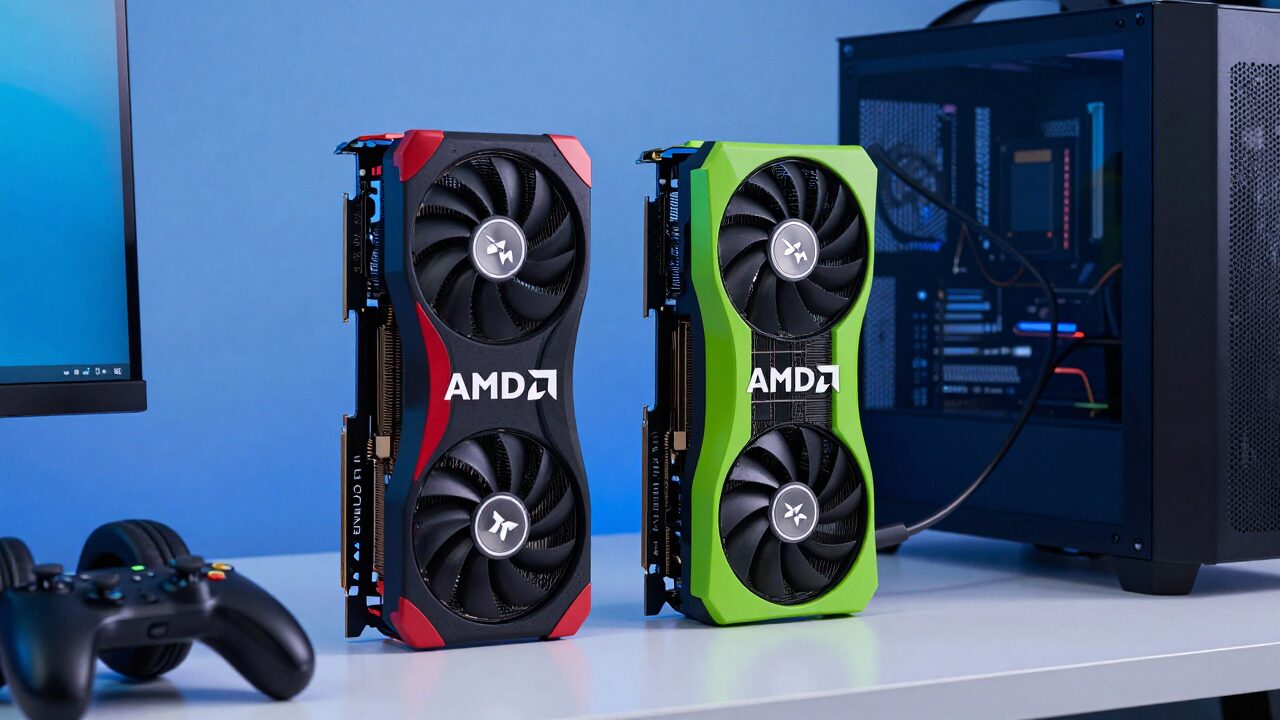
AMD Graphics Cards Can Now Run NVIDIA’s Physics Engine. Here’s Why That Matters for Older Games
If you have an AMD graphics card and have been watching game benchmarks for years with a specific kind of envy, today’s your day.
ZLUDA v6 dropped on June 29, 2026, and the headline feature is simple: AMD Radeon GPUs can now run NVIDIA’s PhysX engine. Not through emulation. Not through some complicated workaround. Through a translation layer that makes NVIDIA’s physics technology think it’s talking to its own hardware.
The numbers are hard to ignore. In testing with Mafia II, a game from 2010 that still relies heavily on PhysX for its physics effects, the difference is dramatic. Without ZLUDA enabled, the benchmark averaged 26.2 FPS with settings maxed out and PhysX on. With ZLUDA v6 active, that jumps to 80.2 FPS. That’s a 206 percent increase, and it means the difference between a slideshow and something actually playable.
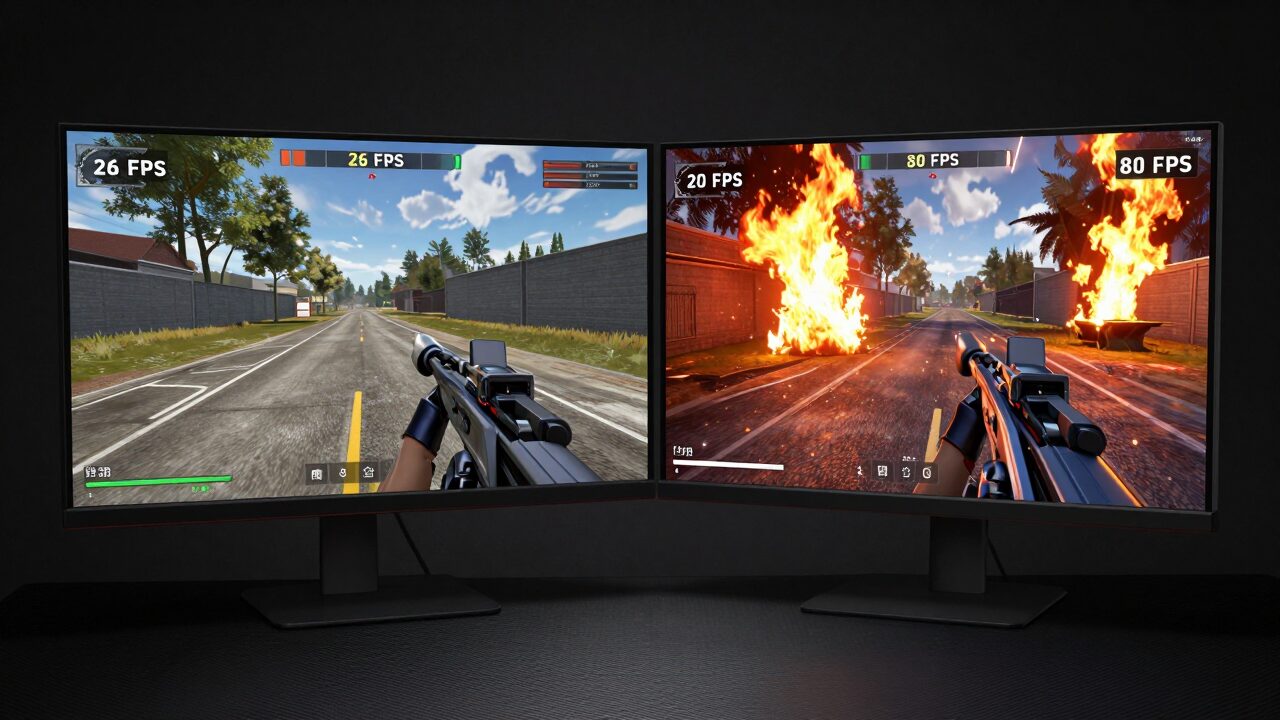
This is not a small thing. PhysX is NVIDIA’s physics acceleration technology. It handles the debris flying when something explodes, the way smoke curls and dissipates, how flames spread and flicker, the behavior of cloth and soft bodies. Many games built these effects around NVIDIA’s SDK because it was the dominant platform for PC gaming. When you ran those games on an AMD card, you either turned PhysX off entirely or accepted terrible performance because the CPU had to handle all the physics calculations itself.
ZLUDA has been quietly working on changing that for a while. The project is an open-source library designed to run CUDA code on non-NVIDIA GPUs. CUDA is NVIDIA’s proprietary computing platform, and PhysX uses it. What ZLUDA does is sit in the middle and translate the CUDA calls into something AMD hardware can understand natively. The difference is like having a real-time interpreter rather than someone flipping through a phrasebook.
Version 6 marks what the developer is calling a major release milestone, though the project follows a continuous development model rather than saving big features for specific version numbers. The PhysX support is technically still labeled pre-alpha, which means there are rough edges. Fluid simulations can glitch. The current method of loading ZLUDA into Steam games is described as poor. The developer only tested on his own machine, which has an unusual GPU setup. But the core functionality is there and working well enough to benchmark.
The practical upside for most gamers is straightforward. If you have an AMD card and have been avoiding older games that lean on PhysX, you can now enable those effects without your frame rate collapsing. Games like Mafia II, which has elaborate car crash physics and environmental destruction, become genuinely different experiences. The same goes for older titles that used PhysX for everything from particle effects to character clothing simulation.
Beyond gaming, ZLUDA has been expanding its scope. The v6 release also brings improved Blender texture support, which matters if you’re using an AMD GPU for creative work. Better machine learning support has been rolling out gradually across recent releases. The project originally focused mostly on compute workloads but has been steadily closing the gap on the gaming side.
The catch is accessibility. Right now, getting ZLUDA working with Steam games requires some manual effort. The developer recommends editing source code and building it yourself for now, and describes the current Steam game loading method as poor. There is a PCGamingWiki list of PhysX games if you want to see what titles are affected, but the average user who just wants to flip a setting and go will need to wait a bit longer.
That said, the trajectory is clear. ZLUDA v6 is a real release with real results, not a promise. If you are comfortable checking the GitHub page, following the Discord, and possibly building from source, you can try it now. If you want something polished that just works out of the box, keep an eye on the next few releases.
The broader implication is worth sitting with. NVIDIA has held a lock on PhysX content in PC gaming for years precisely because the hardware advantage was so significant. ZLUDA does not eliminate that advantage entirely, but it narrows it in a specific and measurable way. For a specific audience of AMD card owners who have been sitting on the sidelines for certain games, this changes the calculus.
Whether this matters for new games is a different question. Most modern titles have moved away from heavy PhysX dependence, and the gaming landscape looks very different from 2010. But for the library of older games that were built around NVIDIA’s ecosystem, ZLUDA v6 is one of those rare updates that actually changes what your hardware can do.
One thing worth noting: the project is entirely open source. There is no premium tier, no subscription, no locked features. The developer posts updates on GitHub and maintains a Discord where early testers share feedback. If you want to follow development or contribute, both are publicly accessible. The PhysX PR that enabled this feature had been sitting open for a while before finally landing in v6, which suggests the project moves at its own pace rather than a release schedule.

If you have an AMD GPU and a backlog of older titles with PhysX effects, it might be worth a few minutes to check whether your game is on the supported list. The setup process is not seamless yet, but the results in Mafia II suggest the ceiling is genuinely high once the kinks are ironed out.