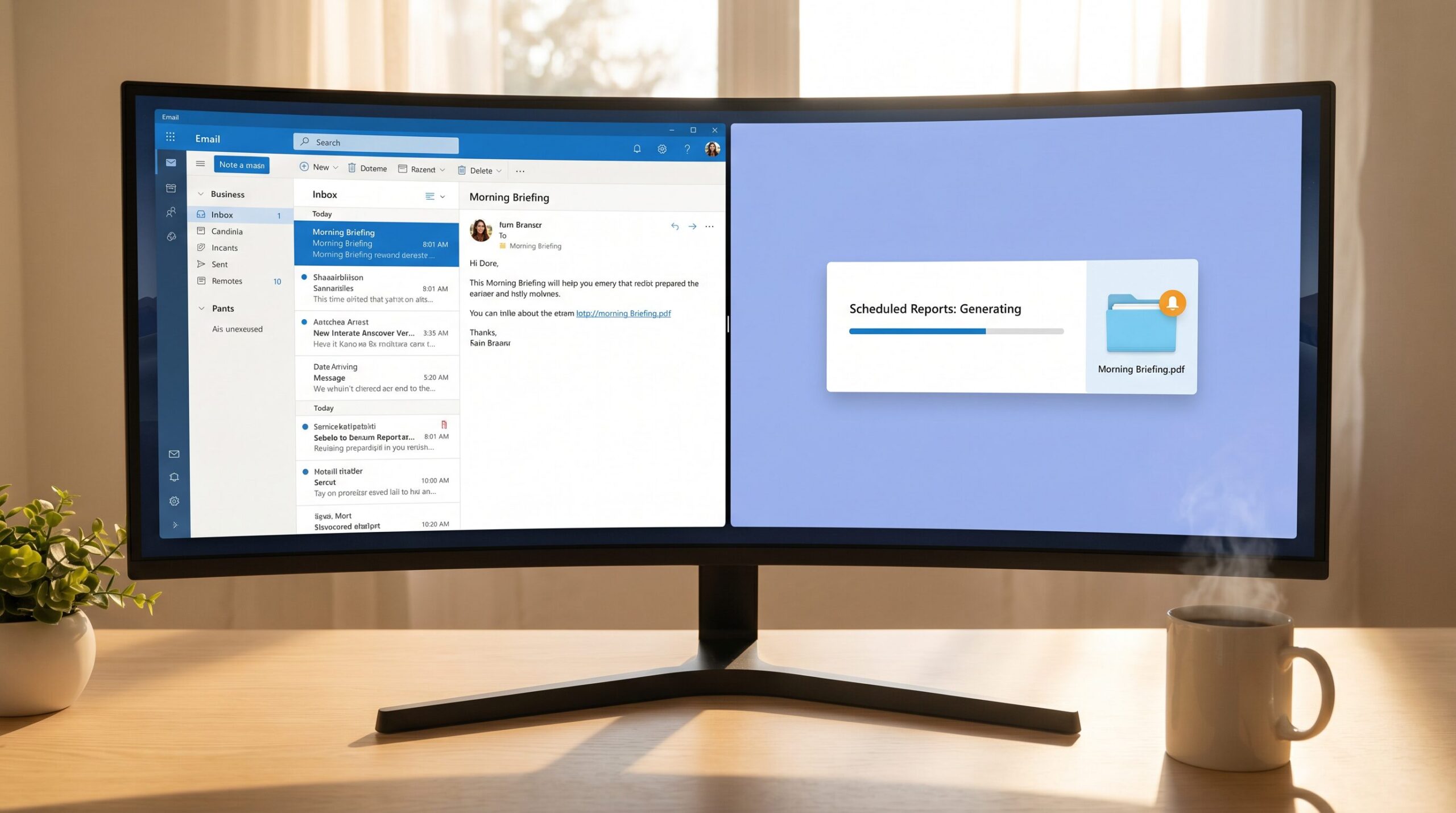
Every few weeks, someone posts a new benchmark chart. A different model is winning. The comments fill up. Then it happens again. Real operators stopped reading those posts months ago. What they care about is a system that shows up before they do. Files reports while they sleep. Checks APIs. Scans platforms. Drafts briefs. Drops the result somewhere without being asked twice. That is the product. Not the model. Not the chart. The thing that runs every morning and does not quit.
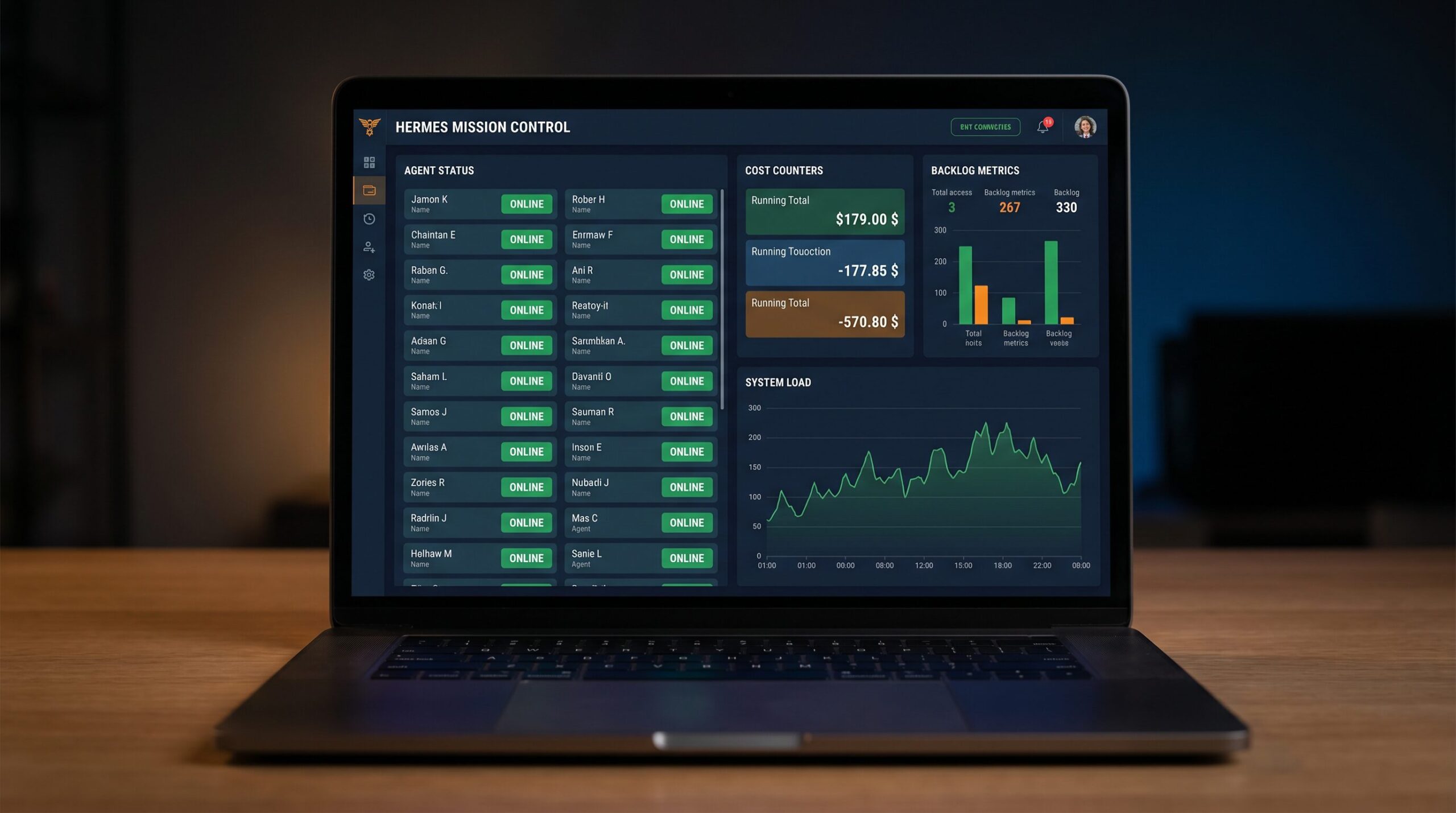
Sharbel built a dashboard first. Not because dashboards are exciting. Because when Hermes manages three things at once, a chat thread stops being enough. You cannot see what is queued. What is blocked. What just finished. What is burning budget from a scroll of text messages. His internal setup is called Max HQ. The public version is Hermes Mission Control. Open source on GitHub. Every agent posts its state to one endpoint. The dashboard shows the whole stack at a glance. Which agent is online. What it is doing right now. How much it cost this month. Where the backlog is growing.
Most people hear this and assume it is infrastructure for its own sake. It is not. It is what makes running multiple automated workflows survivable. Without it, you are guessing from memory which agent did what and when. That dashboard problem is usually what breaks first in a serious Hermes setup. Not because the agent fails. Because the human managing it loses the thread.
Cron inside Hermes fires as a fresh session every time. Nothing persists between runs unless you explicitly save it. Sounds like a limitation. A prompt that runs every morning cannot coast on goodwill. It has to be precise. Which sources. What time window. How many results. What format. Where the file goes. What to do if nothing worth reading appeared that day. Writing that prompt forces a clarity that casual chat never demands.
Most Hermes power users describe the same shift after six months. AI stops being an experiment. It becomes infrastructure. The first time a file appears that did not exist before, something shifts in your head. The interest in staying informed becomes a file. The vague intention to track competitors becomes a weekly brief. “I should check if anything important happened” becomes a document sitting in a folder waiting to be read. After that, the additions come fast. Meeting prep that pulls from email before a standup. Competitor scan that flags outlier videos on YouTube. Weekly audit of what landed in the backlog and what fell through. Each one takes minutes once the first one is running. Thirty tasks before breakfast. Still reading benchmark comparisons over coffee. Which one has a file waiting for them?
Webhook is the second half. Cron runs on time. Webhook runs on an event. Something changed in a system, and Hermes reacts immediately. New customer entry in a CRM. Hermes pulls background before the sales team opens their laptops. Pull request opens on GitHub. Hermes summarizes the risk before the engineer reads the diff. Competitor publishes a video. Hermes decides whether to flag it and who to tell. Cron because time passes. Webhook because the world changes. Both in production in serious setups. The combination means something is always watching. Not just on a schedule. On an event.
The multi-agent question trips people up. One Hermes sounds like one agent. In practice, power users run three or four in parallel for a single project. One watches keyword signals. One reads competitor data and transcripts. One checks the channel history and memory. All three finish. One summary lands. Sounds overengineered. It is not. One agent asks everything and gets generic answers. A team of specialists comes back with deep ones. A generic script does what it is told. Something that knows your brand adjusts. The specialist knows your channel history. It does not waste time on research it already did. The competitor analyst does not need a briefing on what you already published. They run in their own contexts. They come back with their own answers. You assemble.
Nova is the YouTube-specific skill. Sharbel built it to own the full production chain. Checks what was already posted. Scans competitors. Flags title patterns. Reads performance logs. Writes scripts in a specific voice. Builds the upload package with description, tags, and thumbnail concept. First time you set it up, Nova interviews you. Channel name. Audience. Goals. What to avoid. Which competitors to watch. Your answers go into a config file that Nova reads on every run. After a month, it is not recommending generic ideas. It is recommending ideas that look like the things that worked on your channel. Tracks what got approved. What got rejected. Reads the performance log. Adjusts. Generic scripts do not do that.
Not every task needs the smartest model. Some tasks need a cheap hourly scan of a page. Some need full reasoning. Some should have access to internal systems. Some should not. Hermes lets you configure that per agent. One agent runs the research. A different agent writes the summary. A third one files it. Each has the model, tools, and permissions that match the job. This does not sound exciting. But it determines whether your setup lasts six months or six years. The winning setup is not the one with the most capable model. It is the one where every agent has exactly what it needs and nothing more.
The task board makes multi-agent survivable. When four agents are running simultaneously, the chat thread is unreadable. A board gives every task a position. What is queued. What is running. What finished. Who owns the review. What is blocked. The difference between chaos and something you can actually manage.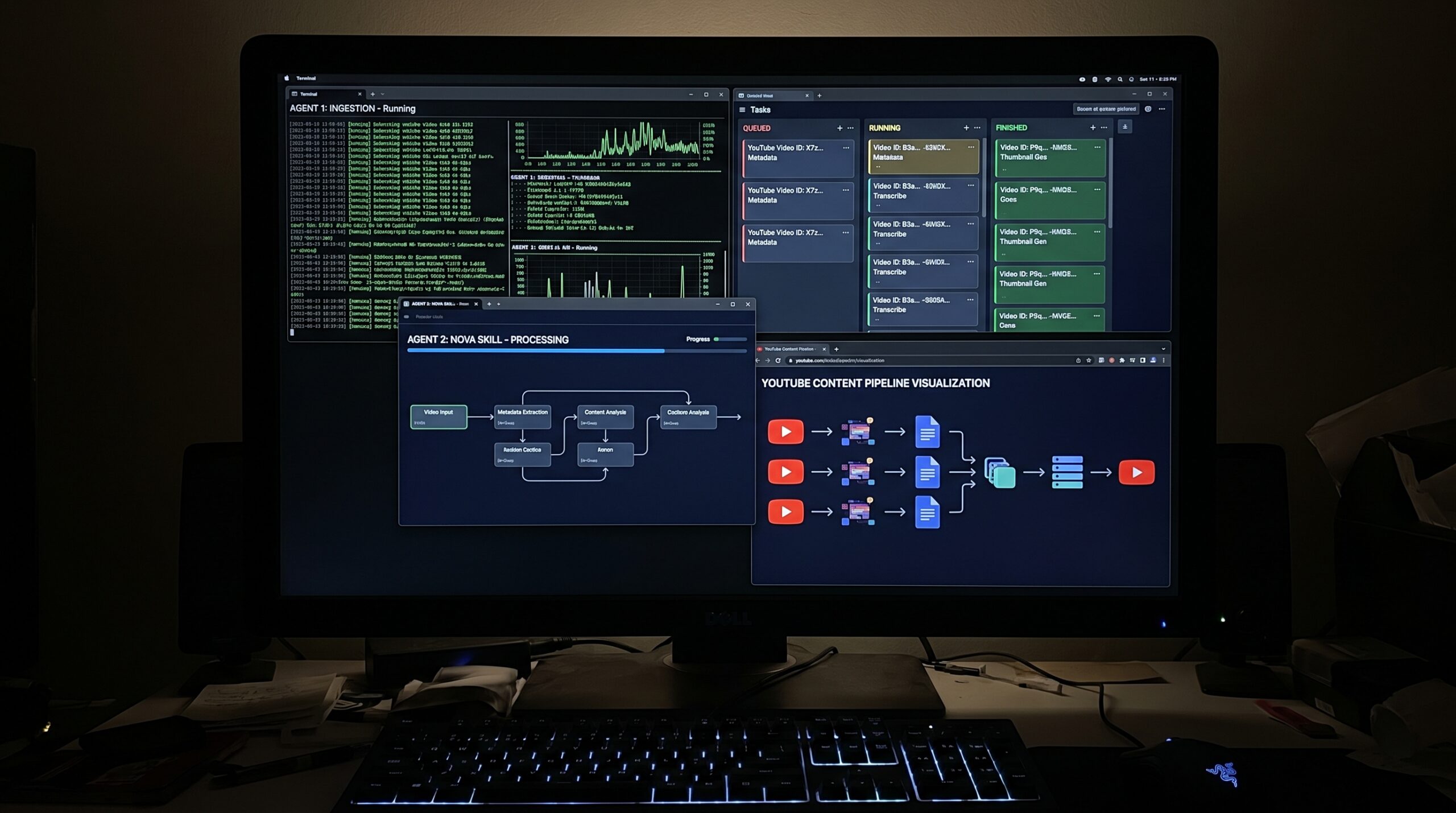
Mission Control. Nova. Cron templates. Webhook setup. Multi-agent research team. Task board. Skill library. None of this is officially part of Hermes. It is all community-built on top of Hermes. People saw what the agent could do raw. They started wrapping it with infrastructure that makes it survivable at scale. That is the part the benchmark conversation misses entirely. The model is the engine. The infrastructure around it is the car. You cannot win a race on engine alone.
Setup takes less than an hour for the basics. Clone the dashboard repo. Connect the agents. Write the first cron prompt. Extending it means reading the bootstrap guide. Then add what your setup needs. The first cron is the hardest part technically. Looks like a technical problem. It is really a product design problem in disguise. You have to decide what good looks like. What sources. What time. What format. What to do when nothing happened. Writing those decisions down is the work. Once you have one running, the second one takes minutes. The third one is trivial. Compounding happens fast.
Hermes Mission Control has 134 stars on GitHub. Nova has 315. These are not big numbers. They are not supposed to be. The people building these tools are not trying to impress the open source community. They are trying to get through Wednesday. Without opening a browser tab. The kind you forgot to close on Monday. The infrastructure exists because the problem existed first. The problem was never “can Hermes do this.” The problem was the output. Where did it go? Who approved it. What happened if it ran while I was asleep? Those questions turned a chatbot into a production system. It happened outside the benchmark conversation entirely.
Model, you pick matters less than the cron you actually write. Figure out what you want running before you worry about which model is winning. The file does not care about the chart.