The Vision Pro Chief Is Going to OpenAI, and It Tells Us Something About Apple’s Wearable Bet
Paul Meade spent years at Apple overseeing both the Vision Pro headset line and the unreleased AI smart glasses project. When he told colleagues he was leaving for OpenAI, the industry reaction was closer to a shrug than a shock. That is actually the most revealing part.
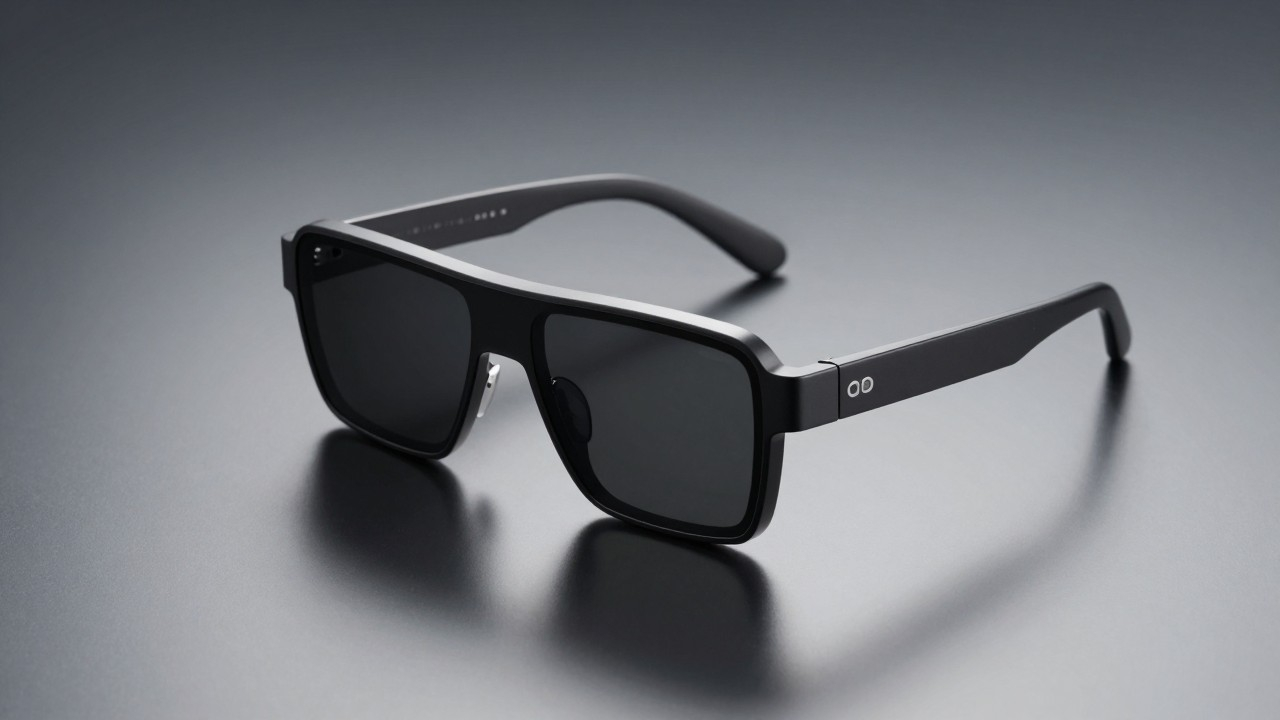
Vision Pro launched in 2024 at $3,499 and has struggled to find mainstream traction. IDC estimates put annual headset shipments well below what Apple had hoped for internally. Tech reviewers praised the hardware design while quietly noting that the product never quite solved the problem of what you actually do with a mixed reality headset in everyday life. The smart glasses project Meade led was planned for a 2025 launch, representing Apple’s answer to a market Meta had already demonstrated with Ray-Ban Stories moving through multiple generations and millions of units sold.
The timing of Meade’s departure is hard to separate from the leadership transition happening at Apple. John Ternus is widely expected to take over from Tim Cook, and early signals suggest he is restructuring the hardware engineering organization. Several VPs have moved onto new reporting lines, and sources suggest some have seen their authority narrow as a result. Meade’s decision to leave during this reorganization reads as a quiet vote of no confidence in the direction of Apple’s wearable strategy.
For OpenAI, his arrival is well-timed. Sam Altman has been talking publicly about plans to build AI hardware in partnership with Jony Ive, Apple’s former chief design officer. Altman has described the target product as calmer and less disruptive than the iPhone, but specific details remain scarce. Last year there were reports that the hardware team struggled to land on a coherent product definition, cycling through multiple concepts before settling on something workable. Meade brings exactly what that team has been missing: direct experience shipping complex wearable hardware and managing a glasses development program from concept through production.
The combination of talent now assembled inside OpenAI’s hardware unit is notable. Ive brings design language and aesthetic discipline. Meade brings manufacturing and product realization experience. Altman brings the product vision and the final call on priorities. Whether those three voices can actually converge on a single coherent product is a different question. Hardware at this level of ambition requires someone who can make brutal calls and hold the line. The history of tech companies building devices without that kind of singular decision-maker is not encouraging.
Apple has given no sign it plans to slow its smart glasses project. If anything, Meade’s departure might push the company to accelerate, or to reconsider whether the current approach is the right one. The wearable market is no longer theoretical. Meta is selling real glasses to real people. The window for Apple to enter that market with something genuinely differentiated exists, but it is getting narrower.
The broader context is that wearable AI devices are at an inflection point. Meta’s Ray-Ban Stories crossed 10 million units earlier this year, small by smartphone standards but massive for a category that barely existed five years ago. Google is working on smart glasses with Samsung. Snap has been iterating on Spectacles for years with limited commercial traction but real hardware learning. When a category is nascent enough that nobody has written the rules yet, that is exactly when Apple’s entry could reshape everything. Or it could confirm that the Vision Pro was not an exception but a pattern.
What happens next will say a lot about whether Apple’s hardware instincts still translate in the age of AI. The company that defined the iPod, iPhone, iPad, and Apple Watch has been largely absent from the current wave of AI device experimentation. Meade’s move to OpenAI does not just give Sam Altman a veteran hardware executive. It potentially gives him the clearest picture available of where Apple was planning to go, and whether OpenAI can get there first with something better.